
Mercurialis leiocarpa
Mercurialis leiocarpa
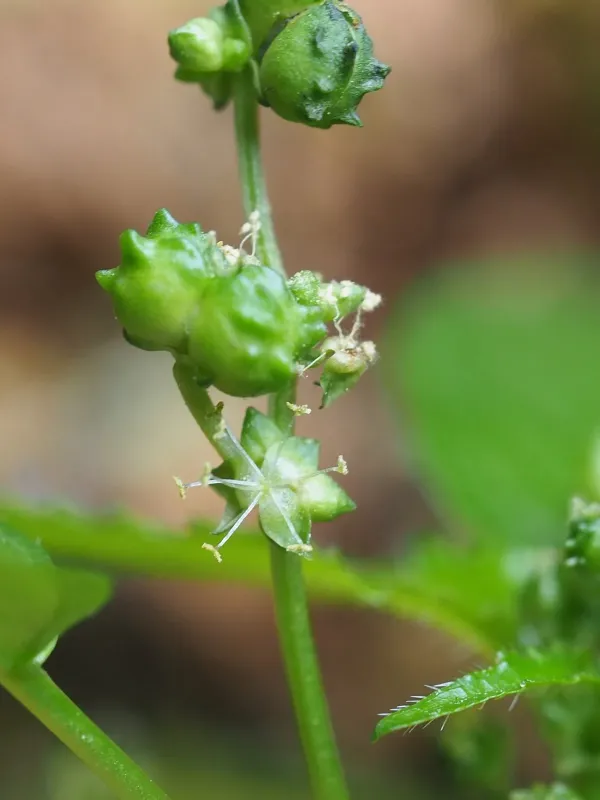
Description
Sowing dates
Mercurialis leiocarpa, belonging to the Euphorbiaceae family, is a perennial herbaceous plant known for its vigorous growth and adaptability to various temperate environments. It is cultivated primarily for its biomass and specialized applications in plant biology.
Sowing should be performed in early spring as soon as soil temperatures reach approximately 8-10°C. Seeds are sown at a shallow depth of 1-2 centimeters to ensure optimal contact with soil moisture, which is essential for uniform germination.
Vegetative propagation is also highly effective for this crop. Dividing mature rhizomes during the dormant season allows for faster establishment and denser plant populations compared to seed-based methods, ensuring a more predictable yield.
The plant exhibits rapid canopy closure, which serves as a natural weed suppression strategy. Proper spacing during initial planting is crucial to ensure that plants receive sufficient nutrients while maximizing ground coverage.
During the seedling stage, maintaining consistent soil moisture is vital. Once established, the root system is robust enough to handle minor fluctuations in irrigation, provided the soil structure remains loose and well-aerated.
Growing requirements
This crop thrives in fertile, loamy soils with excellent drainage properties. While it can adapt to various soil types, maintaining a neutral to slightly acidic pH range (6.0–7.5) is ideal for promoting nutrient uptake and overall plant vigor.
As a shade-tolerant species, Mercurialis leiocarpa is well-suited for agroforestry systems where it can grow beneath tree canopies. Direct, intense sunlight should be managed to avoid leaf scorching and heat-induced stress during the peak of summer.
Water availability is a key productivity driver. While it is not a water-intensive crop, it requires sufficient moisture during the vegetative growth phase. In arid conditions, drip irrigation is recommended to prevent water stress and maintain leaf quality.
Organic matter enrichment is highly beneficial for this crop. Integrating compost or well-rotted organic material into the topsoil prior to planting provides a steady release of nutrients and improves the moisture-retention capacity of the soil.
Climatic adaptability is a significant asset, as the plant demonstrates good winter hardiness. In regions prone to extreme frost without snow cover, applying a layer of organic mulch can protect the rhizomes and ensure a healthy spring growth cycle.
Main diseases and pests
Fungal pathogens such as powdery mildew are the most common threats to crop health, especially in conditions with poor air circulation and high humidity. Regular pruning and maintaining proper row spacing are essential preventive measures.
Root rot, caused by excessive soil moisture and poor drainage, can be devastating. Managing soil water levels and ensuring that the field is not prone to waterlogging are the primary strategies to mitigate this risk effectively.
Slugs and snails often target tender young leaves in the spring. Implementing physical barriers or using integrated pest management strategies can significantly reduce the impact of these mollusks on the total yield.
Aphids can occasionally cluster on tender shoot tips, causing leaves to curl and stunted growth. The use of biological controls or specialized horticultural soaps is effective in managing these outbreaks without harming the local ecosystem.
Long-term field success relies on rigorous monitoring and crop rotation. By preventing the buildup of soil-borne pathogens and maintaining soil vitality through sustainable practices, producers can ensure consistent crop quality over multiple years.