
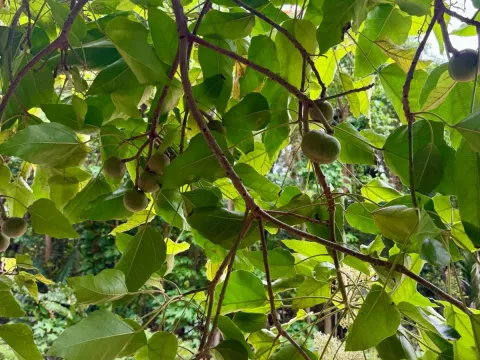
Tung tree
Aleurites
The Tung tree (genus Aleurites) is a member of the Euphorbiaceae family. Originating from East Asia, it is a significant deciduous tree species cultivated primarily for the production of specialized drying oil used in various industrial sectors.
What the section contains


Tung tree
This crop requires specific climatic conditions, favoring subtropical zones with warm summers and mild winters. It is highly sensitive to frost during the flowering period, which necessitates careful site selection in areas protected from cold winds and extreme temperature drops.
The species thrives in well-drained, fertile soils with a slightly acidic to neutral pH level. It cannot tolerate waterlogged conditions, making the preparation of slopes or elevated areas with excellent drainage systems a priority for commercial plantation establishment.
Agronomic management involves optimizing planting density to ensure adequate canopy sunlight, which is critical for flower initiation and fruit development. Fertilizer application should focus on maintaining a balanced nutrient profile to support vigorous growth and fruit production.
The primary economic value lies in the seeds, which are processed to extract tung oil. This oil is highly valued for its rapid drying capabilities, making it a critical component in the manufacturing of waterproof coatings, marine paints, and high-performance resins.
Common biological threats include fungal pathogens that can cause leaf spots and root diseases in high-humidity environments. Maintaining proper tree spacing and ensuring good air circulation within the orchard are essential strategies to mitigate the spread of these infections.
Pests that target foliage and emerging buds can negatively impact tree health and seed yields. Integrated pest management programs, including biological control methods and cautious use of pesticides, are necessary to protect the tree canopy during the active growth season.