
Candlenut
Aleurites moluccana (L.) Willd.
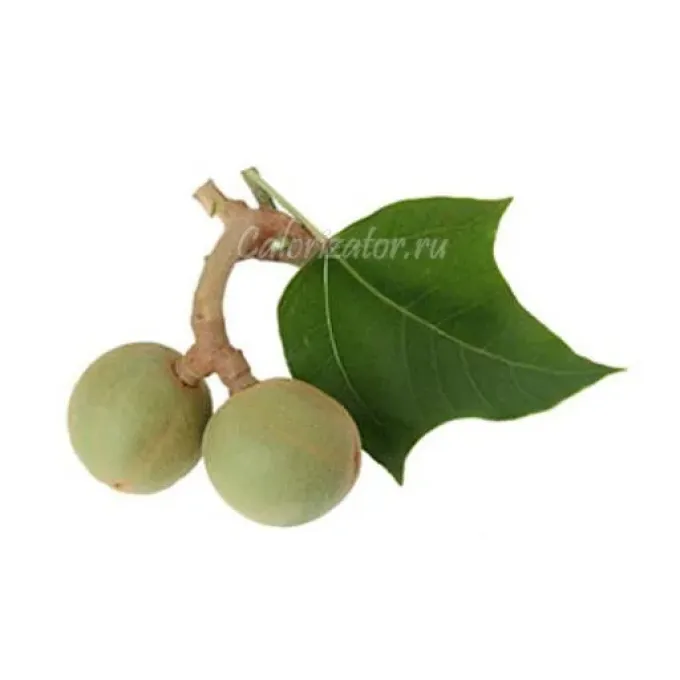
Description
Sowing dates
Candlenut is propagated primarily through seeds, which require specific preparation due to their extremely hard outer shell. Scarification or soaking in warm water is essential to improve germination rates.
Sowing in nurseries should coincide with the beginning of the rainy season to ensure optimal soil moisture levels for the development of the root system. Seedlings are typically transplanted to their permanent location after 6 to 8 months of initial growth.
When establishing a plantation, a spacing of 8 to 10 meters between trees is recommended to accommodate the wide, spreading canopy and ensure adequate sunlight penetration for every plant.
As a member of the Euphorbiaceae family, this evergreen tree begins its reproductive stage between the 3rd and 5th year of growth, requiring consistent care in its early stages.
Natural regeneration happens via seed dispersal, but controlled planting of saplings from nurseries ensures higher survival rates and uniform stand development for commercial yields.
Growing requirements
Candlenut is a strictly tropical crop that demands high average temperatures, ideally between +20°C and +30°C. It is highly intolerant to frost and cold snaps, which can kill or severely damage the tree.
The tree thrives in well-drained, fertile loamy or sandy soils. While it can survive in poorer conditions, maximum yield potential is only achieved with rich, organic-rich substrates.
Water availability is crucial, though adult trees show some drought resistance. Stagnant water and poor drainage are detrimental, often leading to rapid root decay and tree decline.
Being a sun-loving species, candlenut requires full sun exposure. Dense forest canopy cover inhibits growth and significantly reduces flowering and fruit production.
The species is well-adapted to tropical highlands, successfully growing at elevations up to 1200 meters, provided there is no risk of temperature fluctuations below the tropical threshold.
Yield
Annual yields of candlenut depend on the age and health of the tree. A mature, well-maintained tree can produce between 30 and 80 kilograms of fruit per season.
The fruit is a drupe containing one or two seeds rich in high-quality oil. The kernel contains 50% to 60% oil, making it an economically viable crop for industrial processing.
Productivity remains stable for approximately 20 to 30 years. After this period, orchard renewal is necessary to maintain efficient production levels across the plantation.
Quality management during harvest and post-harvest drying is critical to prevent fungal contamination, which can degrade the oil quality and chemical stability of the kernels.
Industrial processing involves dehulling the seeds to extract the oil, which is prized for its fast-drying properties in paints, varnishes, and cosmetic formulations.
Main diseases and pests
The most common disease is anthracnose, which attacks leaves and shoots during periods of high humidity and rainfall, potentially causing defoliation.
Root rot, primarily caused by Phytophthora species, is a major threat in poorly drained soils. This condition can lead to rapid wilting and the death of the entire tree.
Various insect pests, including leaf-eating caterpillars and certain boring beetles, can cause significant damage to the canopy and tree trunk if left unmonitored.
Mechanical damage to the bark by boring insects can introduce secondary pathogens, weakening the tree's structural integrity and overall vigor over time.
Effective management includes regular monitoring for early signs of infection, pruning to improve airflow, and maintaining good field hygiene to prevent pest buildup.
Harvesting
Harvesting occurs when the fruit reaches physiological maturity, indicated by a dark brown color and natural fruit drop. Collectors typically gather fallen fruit from the orchard floor.
Immediate removal of fallen fruit from the soil is necessary to avoid contamination by soil-borne pathogens or excessive moisture uptake, which spoils the kernels.
Following collection, the outer fleshy husk is removed, and the hard-shelled nuts are dried in shaded, ventilated areas until moisture content is below 10% for storage.
Mechanical hulling is used in larger operations to efficiently separate the kernels from the protective shell without damaging the high-value oil content inside.
The final stage involves filtering the expressed oil to ensure clarity and stability, preparing the product for storage or shipment to manufacturing facilities.