
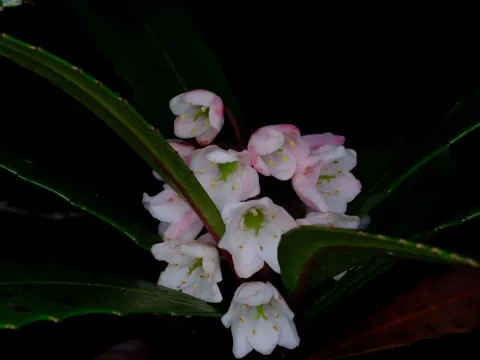
Anopterus
Anopterus
Anopterus is a genus of evergreen shrubs and small trees belonging to the Escalloniaceae family. Native to the cool, moist forests of Tasmania and Australia, these plants thrive in sheltered environments that mimic their natural understory habitat.
What the section contains
Anopterus
The cultural requirements for Anopterus focus on high humidity and protection from harsh environmental conditions. They perform best in areas with stable temperatures, avoiding both extreme summer heat and direct frost damage.
A well-draining, acidic, and organic-rich soil is essential for the healthy growth of this species. The root system is delicate and requires excellent aeration to prevent rot, making the choice of potting mix or soil structure critical.
In indoor or greenhouse cultivation, maintaining ambient moisture is vital. Regular misting and the use of pebble trays can help sustain the humidity levels required to prevent leaf tip burn and physiological stress.
Ornamental use is the primary purpose for this plant. With its attractive, leathery foliage and elegant, bell-shaped flowers, it remains a highly prized specimen for dedicated collectors of temperate climate flora.
Root rot is the most significant threat to Anopterus, primarily driven by overwatering or inadequate soil drainage. Once established, fungal pathogens can cause rapid collapse of the root system and subsequent plant death.
Common indoor pests such as scale insects and spider mites are frequent adversaries. These pests thrive in dry environments and can quickly sap the plant's vitality if not detected during regular health inspections.
Chlorosis, caused by an unsuitable pH level in the soil or irrigation water, is a common issue. If the water is too alkaline, the plant struggles to absorb essential nutrients, leading to yellowing leaves and reduced growth.
Poor ventilation can lead to outbreaks of powdery mildew, especially in crowded greenhouse conditions. Ensuring good air circulation around the canopy is essential for preventing these fungal issues.
Preventive care involving strict watering discipline and routine cleaning of leaves helps maintain plant vigor. Early intervention with biological controls is recommended for any pest sightings to avoid the need for harsh chemicals.