
Polyosma
Polyosma
Polyosma is a genus of evergreen trees and shrubs belonging to the Escalloniaceae family. These plants are native to the tropical and subtropical regions of Southeast Asia, Australia, and the Pacific Islands, where they typically thrive in moist, shaded forest understories.
What the section contains

Polyosma
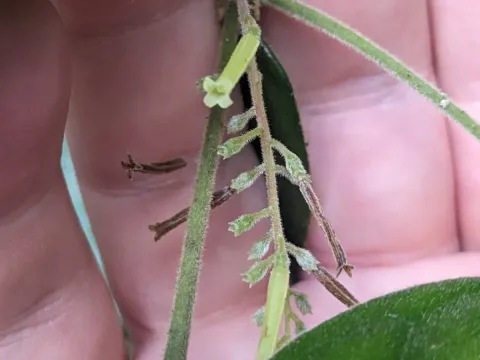
Botanically, Polyosma species are recognized by their opposite or alternate leathery leaves, often featuring serrated margins. The flowers are notable for their fragrance and are typically arranged in pendulous racemes, which enhances their appeal for botanical gardens and specialized landscaping projects.
Successful cultivation requires specific environmental conditions, including high atmospheric humidity and protection from direct, intense sunlight. The substrate must be well-drained and rich in organic matter, mimicking the forest floor conditions essential for the plant's health.
Temperature management is a primary constraint, as these plants are highly sensitive to frost and extreme cold. An optimal growing range between 18 and 26 degrees Celsius is necessary, making them suitable primarily for tropical climates or greenhouse environments in temperate zones.
The primary utility of the genus is ornamental, though select species have been historically utilized for their wood in local craftsmanship. In agricultural contexts, they are sometimes studied for their role in reforestation efforts within tropical ecosystems, providing cover and structural diversity.
Fungal root diseases are the most common threat to Polyosma, primarily caused by waterlogged soil and poor drainage systems. Regular maintenance of soil structure and careful irrigation scheduling are essential to prevent root rot pathogens from developing.
Pest pressures often include sap-sucking insects such as scale insects and spider mites, which can thrive if the humidity is insufficient or if the plant is grown under stress. Consistent monitoring of leaf undersides is recommended for early detection.
In their native environment, leaf-eating caterpillars and various phytophagous insects can cause localized damage. However, in controlled cultivation, these are managed through integrated pest management (IPM) practices and selective monitoring.
Viral infections, while infrequent, can be transmitted through non-sterile pruning tools. It is strictly recommended to disinfect all horticultural equipment between plants to avoid potential cross-contamination of pathogenic agents.
Chemical control should be employed judiciously, with a focus on systemic products only when biological or physical methods fail. Providing optimal growing conditions remains the most effective strategy for ensuring the resilience of the plant against all forms of threats.