
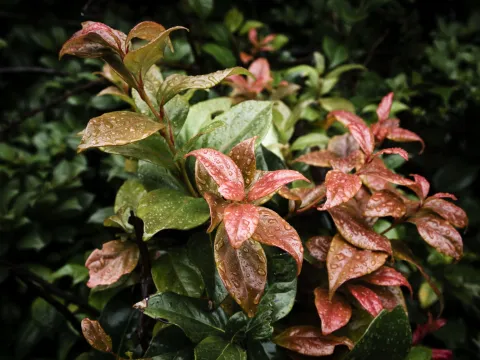
Leucothoe
Leucothoe D. Don
Leucothoe is an evergreen ornamental shrub belonging to the Ericaceae family. Originating from North America and East Asia, these plants naturally inhabit the understory of woodlands, thriving in sheltered and moist environments.
What the section contains


Leucothoe
The primary agricultural requirement for Leucothoe is acidic soil with a pH ranging from 4.5 to 5.5. A mixture of peat, pine bark, and organic matter creates an ideal growing medium that supports root health.
Botanically, the plant features arching stems and leathery leaves that often display dramatic color changes throughout the year, shifting from green to bronze or deep red in cooler conditions.
Climatic requirements involve protection from harsh, drying winds and direct scorching sunlight. While they are hardy, they perform best in partial shade, mimicking their natural habitat beneath tree canopies.
Maintenance techniques include consistent irrigation with soft water to prevent salt buildup, which the root system is sensitive to. Mulching with acidic organic materials is essential to maintain moisture and soil structure.
Leucothoe is susceptible to various fungal pathogens, particularly leaf spot, which manifests when air circulation is poor and humidity levels remain high for extended periods during the growing season.
Phytophthora root rot remains the most significant threat to the plant. This condition is often fatal and is primarily caused by poorly drained soil or waterlogged conditions that favor fungal proliferation.
Common insect pests include aphids and scale insects, which target the tender new growth. Integrated pest management, including the use of horticultural oils, is recommended for controlling these populations.
Nutrient deficiencies, particularly chlorosis, are common if the soil pH rises above the optimal range. Regular testing and the application of iron-chelate fertilizers can resolve these issues efficiently.
To ensure plant longevity, implement a regular pruning schedule. Removing dead or diseased wood improves airflow through the center of the shrub, significantly reducing the probability of recurring infections.