
Leucothoe keiskei
Leucothoe keiskei Miq.
Description
Growing requirements
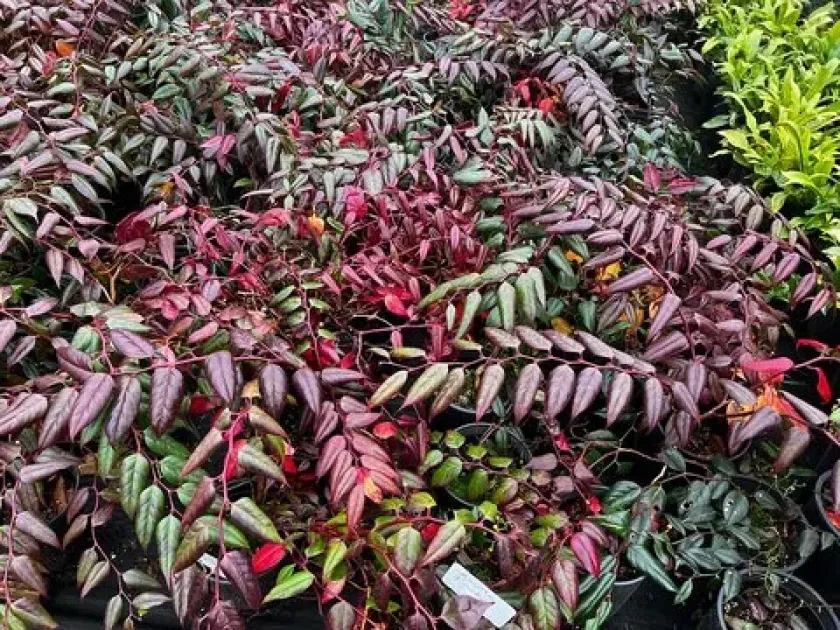
Leucothoe keiskei is a compact, evergreen shrub belonging to the Ericaceae family, native to the temperate woodlands of Japan. It is highly valued in horticulture for its arching stems, glossy foliage, and delicate, bell-shaped white flowers.
The plant exhibits a slow growth habit, making it an excellent candidate for small gardens, woodland borders, or container gardening. Its foliage is notable for its seasonal color changes, ranging from bronze-red in new growth to deep green when mature.
Successful cultivation requires acidic soil with a pH between 4.5 and 5.5. The planting medium should be rich in organic matter, such as peat moss or leaf mold, providing excellent drainage while maintaining constant moisture, which is vital for this species.
The plant thrives in partial to full shade, sheltered from harsh midday sun and strong winds. It is particularly well-suited for integration into garden designs that feature other shade-loving, acid-demanding plants like Rhododendrons, Pieris, and various ferns.
Maintenance includes consistent watering with soft, non-alkaline water and regular mulching to keep the root system cool. Fertilization should be restricted to products formulated specifically for acid-loving shrubs, applying them only during the active growing season.
Main diseases and pests
The primary threats to Leucothoe keiskei include fungal leaf spots and powdery mildew, which are often exacerbated by poor air circulation or overhead watering. Maintaining proper spacing and avoiding high-humidity stagnation is key to disease prevention.
Insect pests are generally minimal but may include scale insects or spider mites during periods of drought. Monitoring the underside of the leaves and maintaining high humidity levels will help mitigate these infestations before they require chemical intervention.