
Leucothoe axillaris
Leucothoe axillaris (Lam.) D. Don
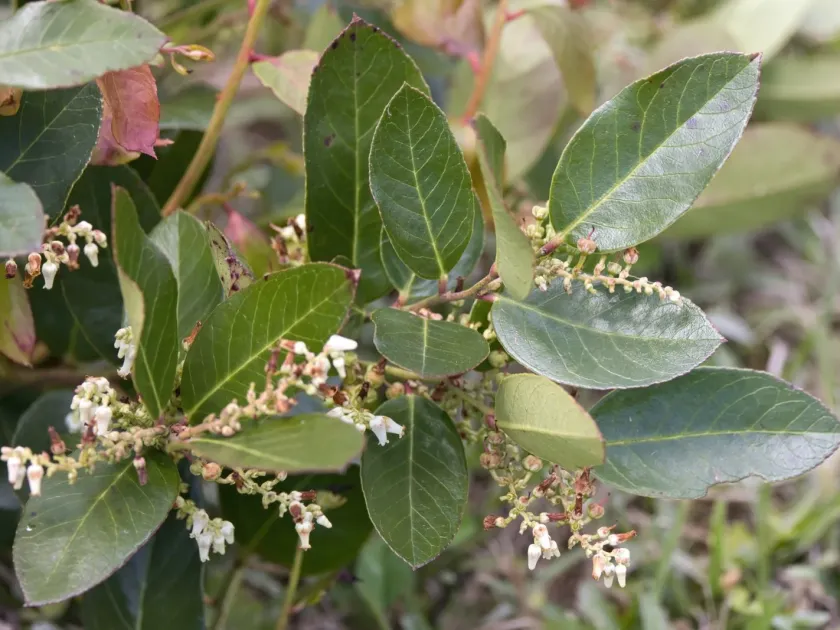
Description
Growing requirements
Leucothoe axillaris, commonly known as coast leucothoe, is an attractive evergreen shrub belonging to the Ericaceae family. It is native to the southeastern United States, where it thrives in moist, shaded woodland habitats and along riverbanks.
The plant is distinguished by its arching stems and glossy, lance-shaped leaves. One of its most valued ornamental traits is the foliage's ability to turn vibrant bronze, purple, or reddish-brown during the winter months, providing year-round visual interest.
Cultivation requires acidic, well-draining soil that is rich in organic matter. The root system is relatively shallow and sensitive to drought; therefore, maintaining consistent soil moisture is crucial for the health and vitality of the shrub.
In terms of light exposure, Leucothoe prefers partial to full shade. Direct, harsh sunlight can scorch the foliage, while deep shade may lead to leggier growth. Protecting the plant from drying winds is also essential for maintaining its evergreen health.
Coast leucothoe is widely used in landscape design as a foundational plant for woodland gardens, shrub borders, and as an understory planting beneath larger trees. Its drooping racemes of white flowers in spring add a delicate touch to any collection of shade-loving plants.
Main diseases and pests
The primary threats to Leucothoe axillaris include fungal diseases such as leaf spot and powdery mildew. These are often encouraged by poor air circulation and excessive moisture on the leaf surface, requiring diligent monitoring and occasional fungicidal treatment.
Root rot is a significant concern if the planting site does not have adequate drainage. Ensuring that the plant is not sitting in stagnant water is the most important preventive measure against underground pathogens.
Pests like scale insects and spider mites can occasionally affect the plant, particularly in sheltered or dry garden environments. Early detection and the use of horticultural oils or soaps are effective ways to manage these populations.
Soil pH management is vital; if the soil becomes too alkaline, the plant will struggle to absorb nutrients, leading to iron chlorosis. Routine application of acid-loving plant fertilizer helps sustain the plant's deep green foliage color.
Winter injury can occur in colder climates, manifesting as leaf browning or dieback of exposed tips. Providing a thick layer of organic mulch around the base of the plant helps insulate the roots and retains necessary soil moisture throughout the year.