
Leucothoe hybrid
Leucothoe axillaris x Leucothoe fontanesiana
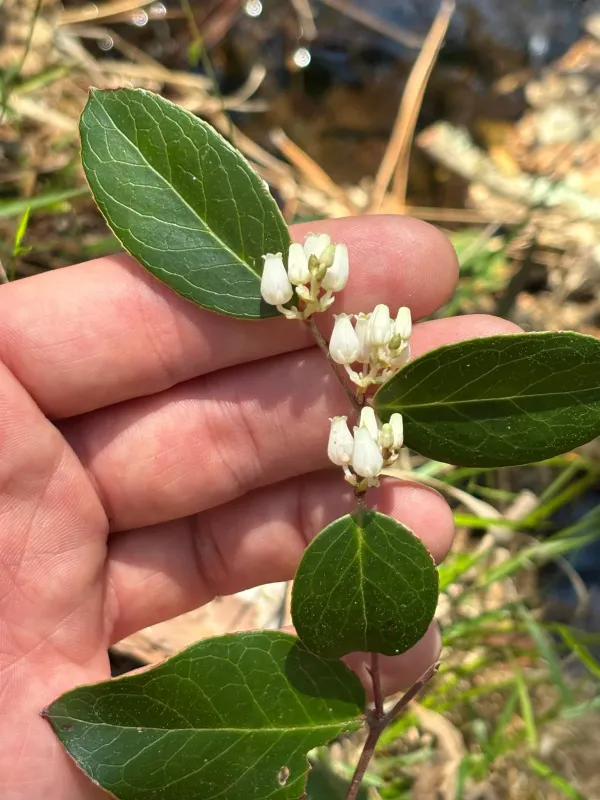
Description
Growing requirements
The Leucothoe hybrid is a sophisticated evergreen shrub belonging to the Ericaceae family, widely appreciated in horticulture for its arching stems and glossy, lance-shaped leaves. This hybrid is the result of breeding between Leucothoe axillaris and Leucothoe fontanesiana, combining the best features of its North American parents.
Success in cultivating this species depends heavily on providing the correct soil environment. It requires acidic, humus-rich, and well-drained soil, typically amended with peat moss or pine bark to ensure the pH remains in the range suitable for acid-loving shrubs like camellias and rhododendrons.
Regarding placement, these shrubs thrive in partial to full shade. While they can tolerate some morning sun, they must be shielded from harsh afternoon rays, which often cause leaf scorch and dehydration, ruining the aesthetic appeal of the foliage during the growing season.
Climate considerations are essential, as the plant prefers cool, moist conditions. In temperate regions, it is advisable to plant it in sheltered locations to prevent winter windburn. Consistent irrigation is mandatory, especially during the first few years after establishment, as the root system is shallow and prone to drought stress.
Maintenance tasks include the application of a thick layer of organic mulch, such as leaf mold or wood chips, which serves a dual purpose. It helps maintain the necessary soil moisture levels and prevents temperature fluctuations that could damage the sensitive roots during extreme seasonal shifts.
Main diseases and pests
Leucothoe hybrids are susceptible to several pathogens if the cultural conditions are not strictly followed. Root rot is a major threat, usually triggered by waterlogged, compacted soil that prevents oxygen exchange; therefore, ensuring excellent drainage is the primary defense strategy.
Leaf-feeding insects, including scale insects and mites, can occasionally become an issue in low-humidity environments. Integrated pest management, including regular monitoring and the use of horticultural oils or systemic insecticides, is recommended to keep the shrub healthy and vigorous throughout its lifecycle.