
Leiophyllum
Leiophyllum
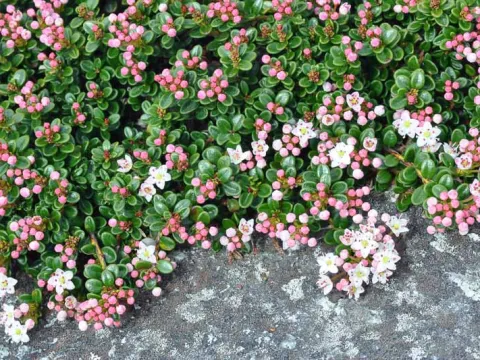
Leiophyllum, commonly known as sand myrtle, belongs to the Ericaceae family and is an evergreen shrub native to the eastern parts of North America. It is highly valued in horticulture for its compact, low-growing habit and beautiful clusters of delicate flowers that bloom in late spring.
What the section contains

Leiophyllum
Cultivation of this plant requires specific acidic soil conditions, typically characterized by a high content of peat, sand, and pine needles. The substrate must be perfectly drained to prevent waterlogging, as the root system is extremely sensitive to poor aeration and standing water.
The plant thrives in full sun or light shade, provided it receives sufficient moisture. In hotter climates, partial shade during the peak of the day is recommended to protect the leaves from scorching and to maintain the humidity levels in the surrounding soil.
Irrigation protocols are strict: use only soft, non-alkaline water. The presence of calcium or other minerals in tap water will inhibit the plant's nutrient uptake, leading to chlorosis and stunted development over time. Regular mulching with organic material is essential to keep the roots cool and moist.
In landscaping, Leiophyllum is used for rock gardens, heather beds, and as a low border shrub. Due to its slow growth rate, it is an excellent candidate for small gardens or containers, provided that the container substrate is maintained at the correct acidic pH level.
The main threats to the health of Leiophyllum are soil-borne pathogens, particularly Phytophthora species, which thrive in poorly drained environments. These infections result in root rot, which quickly causes the decline and death of the plant if not addressed early.
Pests such as spider mites can infest the shrubs during periods of low humidity or drought. Integrated pest management, which includes regular monitoring and maintaining appropriate microclimatic conditions, is usually sufficient to prevent significant damage from these arthropods.
Nutrient deficiencies, particularly iron chlorosis, are common when the soil pH rises above 5.5. This leads to yellowing between leaf veins. To remediate this, use specialized fertilizers formulated for ericaceous plants and avoid any fertilizers containing lime or high concentrations of nitrates.
Winter desiccation is a significant concern for this evergreen shrub, especially when exposed to drying winter winds while the ground is frozen. Protecting the plant with evergreen boughs or shade cloth can prevent the leaves from drying out during late winter and early spring.
Proper hygiene, such as removing dead foliage and ensuring adequate space between plants, helps maintain good air circulation. This reduces the risk of foliar fungal diseases, which can compromise the plant's aesthetic value and overall vigor during the growing season.