
Leucothoe fontanesiana
Leucothoe fontanesiana (Steud.) Sleumer
Description
Growing requirements
Leucothoe fontanesiana, commonly known as doghobble, is a hardy evergreen shrub belonging to the Ericaceae family. Native to the southeastern United States, it thrives in cool, moist forest environments.
The plant requires acidic, well-draining, and humus-rich soil. It is essential to maintain a soil pH between 4.5 and 6.0, similar to conditions required for rhododendrons and azaleas.
Ideal planting sites are in partial to full shade. While it can tolerate some sun in cooler climates, intense heat and direct sunlight can cause significant leaf scorch and dehydration.
Consistent moisture is key to the success of this crop. During dry periods, irrigation is mandatory to prevent the shallow root system from drying out, which can cause leaf drop.
Mulching is a critical agronomic practice for this species. Applying a thick layer of pine bark or leaf mold helps retain soil moisture, suppress weeds, and maintain the necessary acidity.
Main diseases and pests
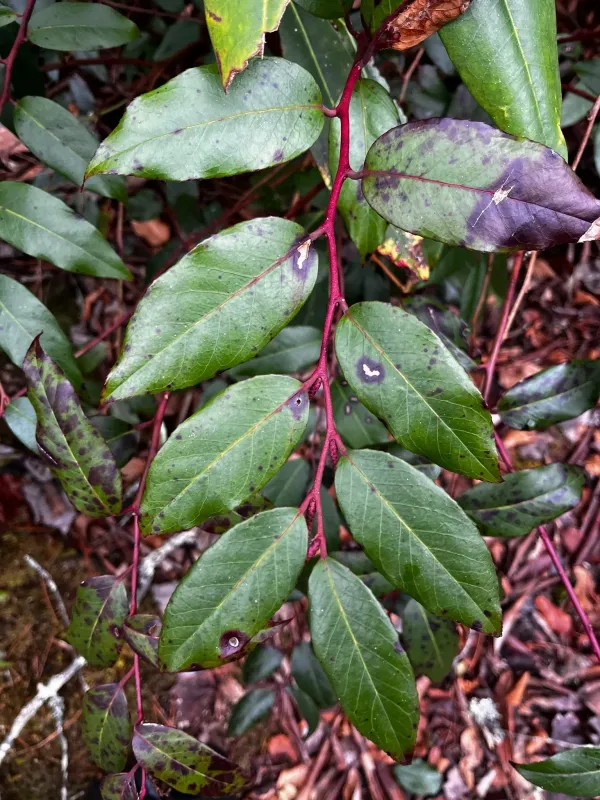
Pathogenic fungi are the primary threat to the health of Leucothoe. Leaf spot diseases are common, especially when the foliage remains wet for extended periods in humid weather.
Root rot is a severe condition usually caused by poor drainage or overwatering. It often leads to the decline of the entire plant, as the roots become unable to transport nutrients.
Pests such as lace bugs can occasionally infest the foliage, causing stippling or bronzing. Regular monitoring of the underside of leaves is recommended for early detection.
To mitigate disease pressure, it is vital to ensure good airflow around the plants. Pruning diseased branches promptly helps prevent the spread of fungal spores.
Integrated pest management strategies involve maintaining plant vigor through correct fertilization with acid-loving plant formulas and avoiding overhead irrigation if possible.