
Lowndes' rhododendron
Rhododendron lowandesii
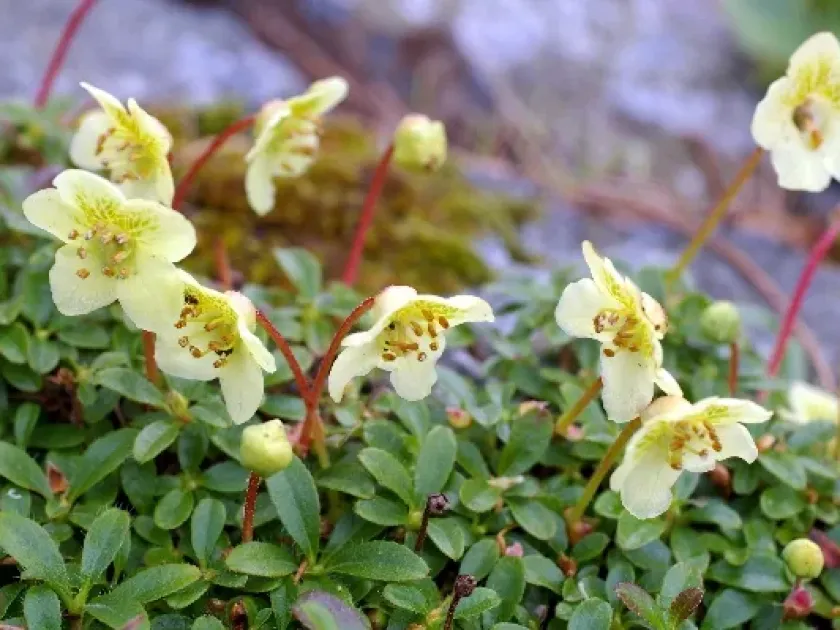
Description
Growing requirements
Lowndes' rhododendron is a small, deciduous shrub classified within the Ericaceae family. It is a rare species native to the high-altitude regions of the Himalayas, thriving in cool mountain environments.
In cultivation, this plant requires a location that mimics its alpine origins. It prefers dappled shade, as intense direct sunlight can easily scorch its foliage and cause dehydration during the growing season.
The soil substrate must be highly acidic, well-draining, and rich in organic matter. A mixture of peat moss, pine bark, and perlite is recommended to provide the necessary structure and acidity for optimal root health.
Watering must be managed carefully to ensure the soil remains consistently moist but never waterlogged. Due to its shallow root system, the plant is extremely sensitive to both drought and excessive standing water.
Maintaining high humidity levels is crucial for this species. During dry summer months, regular misting of the surrounding air or the use of an automated irrigation system can prevent heat-related stress.
Main diseases and pests
Phytophthora root rot is the most serious threat to this species, usually caused by poor drainage or overwatering. Once established, this fungal infection is difficult to treat, making prevention paramount.
Pests such as spider mites and lace bugs frequently target the foliage, especially in environments where air circulation is poor. Routine inspection of the underside of leaves is recommended for early detection.
Nutrient deficiencies, particularly iron-induced chlorosis, occur if the soil pH rises above the optimal range. Regular testing and the use of acidifying fertilizers are necessary to keep leaves vibrant and green.
Winter damage can affect the flower buds if exposed to desiccating winds. Covering the shrub with breathable burlap during late winter provides sufficient protection against freezing temperatures.
Sanitary pruning should be performed annually to remove dead or diseased stems. This practice improves airflow through the plant canopy, significantly reducing the risk of fungal outbreaks like powdery mildew.