
Sloanea berteroana
Sloanea berteroana
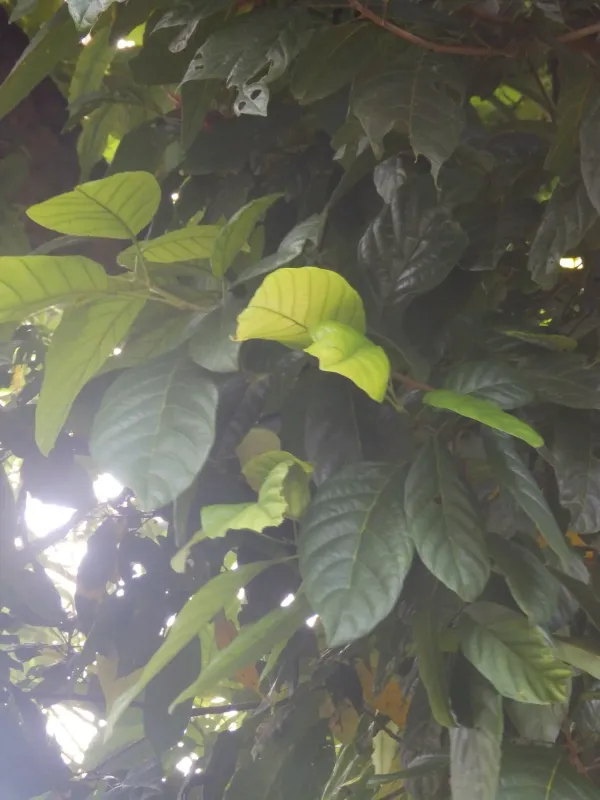
Description
Growing requirements
Sloanea berteroana is a significant tree species belonging to the family Elaeocarpaceae. It is recognized as a majestic evergreen tree that plays a vital role in the structure of tropical ecosystems within its native range.
The origin of this species is primarily tracked to the Caribbean region, where it flourishes in moist forest habitats. Its natural distribution is characterized by high humidity and consistent rainfall patterns typical of tropical island climates.
Agronomic success for this crop depends on high-quality soil conditions. The tree thrives in deep, humus-rich, and well-drained soils, which are essential for maintaining the health of its root system and supporting rapid vertical growth.
In terms of climate, Sloanea berteroana requires a stable environment without extreme thermal fluctuations. It is highly sensitive to cold, and any exposure to frost can be lethal, necessitating a strictly tropical or subtropical cultivation zone.
The cultivation practices emphasize careful site selection and the protection of seedlings from direct, scorching sun in their early stages. Mature trees are more resilient and adapt well to the competition for light in dense forest environments.
Harvesting
The primary economic utility of Sloanea berteroana is its high-quality timber. It is highly regarded in the construction and furniture industries for its structural integrity and resistance to the harsh conditions of tropical environments.
Processed wood from this species is known for its durability against decay and biological threats, which makes it a preferred choice for outdoor structures and high-end artisanal woodwork that requires longevity.
Beyond timber production, the species contributes significantly to local biodiversity. It provides shelter and food for various endemic fauna, making it an essential component of sustainable forest management and conservation programs.
The tree also holds potential in landscaping due to its striking botanical features. When planted in parks or arboretums, it serves as a robust shade tree that enhances the aesthetic and biological value of the green space.
Ongoing research into the biological properties of Sloanea species continues to reveal new potential uses for its extracts. Scientists are investigating its chemical profiles for possible medicinal or agricultural applications in the future.