
Elaeocarpus sylvestris
Elaeocarpus sylvestris
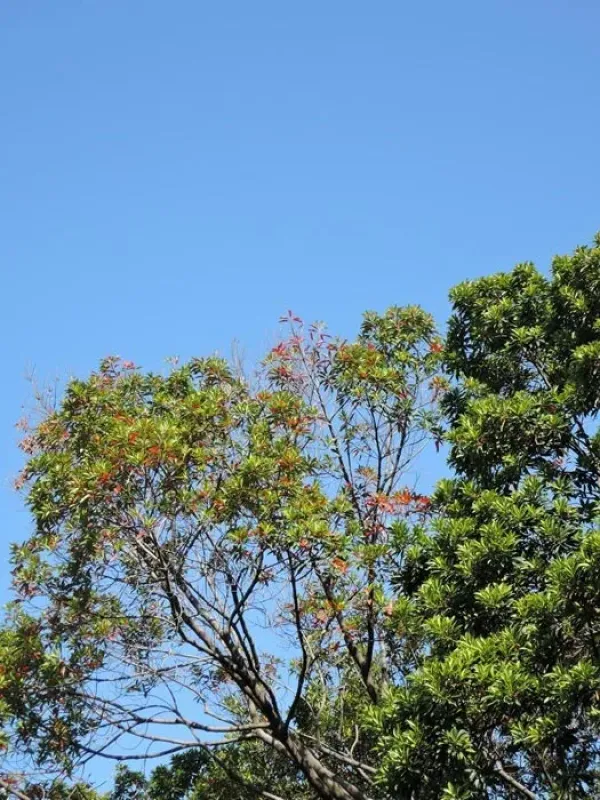
Description
Sowing dates
Propagation of Elaeocarpus sylvestris is typically carried out via seeds, which require stratification to break dormancy and ensure uniform germination rates.
Sowing should take place in controlled environments during early spring, keeping the substrate temperature stable at approximately 20 degrees Celsius.
Cuttings are a viable alternative for propagation, focusing on semi-hardwood stems harvested in late summer to ensure successful rooting before the dormant season.
When moving young saplings to the field, it is crucial to maintain root ball integrity to minimize transplant shock and encourage rapid establishment.
Spacing requirements depend on the intended use, but generally, 3–5 meters of separation is recommended to allow the canopy to develop without excessive competition.
Growing requirements
Elaeocarpus sylvestris is a robust evergreen tree belonging to the Elaeocarpaceae family, native to the temperate and subtropical forests of East Asia.
The species prefers well-drained, acidic to neutral soils. It is highly sensitive to waterlogging, necessitating the installation of drainage systems in heavy soils.
Climate requirements include high atmospheric humidity and protection from cold, desiccating winds, which can damage the foliage during the winter months.
Regular irrigation is vital during the growing season, particularly for juvenile trees that have not yet developed a deep, drought-tolerant root system.
Soil nutrient management should focus on incorporating organic matter, as the tree performs best in environments that mimic its natural forest floor habitat.
Yield
The primary economic use of Elaeocarpus sylvestris lies in the landscape industry, where it is highly valued for its dense foliage and ornamental flowers.
The timber, while not utilized on an industrial scale, possesses properties that make it suitable for niche artisanal woodworking and small-scale craft production.
Scientific research explores the potential of fruit extracts and seed oils for pharmaceutical and cosmetic applications due to their high concentration of bioactive compounds.
In urban forestry, the species is recognized for its ability to mitigate heat island effects and provide effective shade, making it a sustainable choice for cities.
Sustainable management of these trees contributes to soil conservation, as their root systems help stabilize slopes in diverse topographical conditions.
Main diseases and pests
Fungal root rots, particularly Phytophthora species, represent the most significant threat to the health of Elaeocarpus sylvestris in improperly managed nurseries.
Scale insects and mealybugs are the most common pests that affect the vigor of the tree by feeding on phloem sap, leading to stunted shoot growth.
Spider mite infestations often occur during periods of low humidity, requiring integrated pest management strategies to maintain plant vitality throughout the year.
Nutrient deficiencies, such as iron chlorosis, can occur if the soil pH deviates from the optimal range, reducing the photosynthetic efficiency of the plant.
Effective prevention involves rigorous site preparation, ensuring good drainage, and periodic monitoring for early signs of pathogen or pest invasion.