
Sloanea dasycarpa
Sloanea dasycarpa
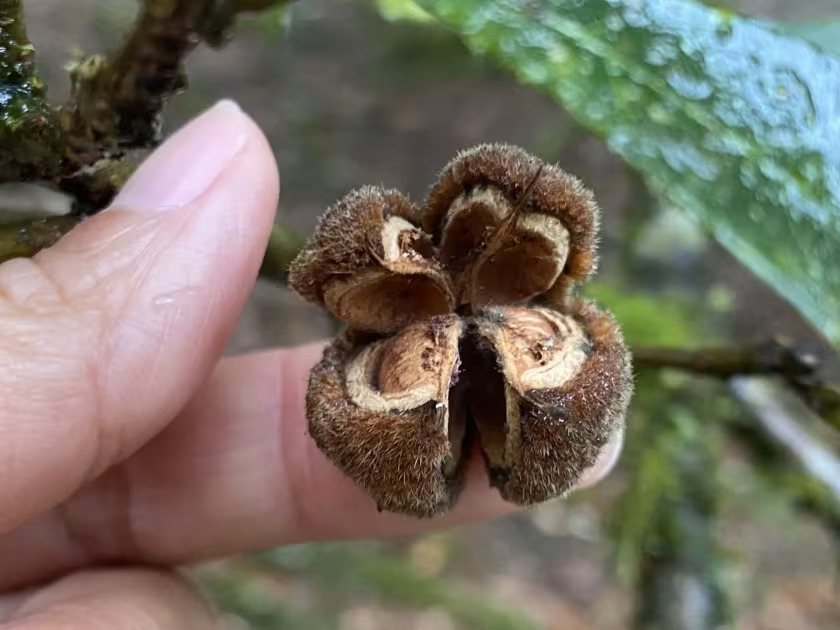
Description
Growing requirements
Sloanea dasycarpa is a specialized tropical tree species categorized within the Elaeocarpaceae family. It is recognized for its dense foliage and unique botanical structure adapted to its native humid rainforest environments.
The cultivation of this species requires a stable, high-humidity climate. It thrives in locations where annual precipitation is high, and the temperature remains consistently warm, avoiding any exposure to frost or prolonged dry spells.
Soil composition is critical for the success of Sloanea dasycarpa. It requires deep, nutrient-rich soils with excellent drainage capabilities to prevent waterlogging, which the plant is highly susceptible to.
Agrotechnical management involves regular monitoring for soil acidity and nutrient levels. The application of organic fertilizers is recommended to mimic the nutrient-rich conditions found on the forest floor of its natural habitat.
The tree prefers partial shade, especially during the early stages of its development. Providing proper structural support and protecting the young trees from strong winds are essential practices for ensuring healthy vertical growth.
Harvesting
The harvest period is determined by the development stage of the fruits, which are traditionally hand-picked by trained workers to ensure the integrity of the product and the health of the tree branches.
Post-harvest handling is critical. Given the perishable nature of the produce, rapid cooling or immediate processing is necessary to maintain the quality and market value of the harvested materials.