
Willow-leaved Elaeocarpus
Elaeocarpus salicifolius
Description
Growing requirements
The Willow-leaved Elaeocarpus is a distinctive evergreen species belonging to the Elaeocarpaceae family. It is native to humid tropical regions where it thrives under forest canopies or in protected valleys with consistent moisture.
Cultivation requires well-draining, nutrient-rich soil with a slightly acidic profile. Proper site selection is vital, as the root system is sensitive to waterlogging, which often leads to root rot in poorly prepared garden beds.
Climate conditions are a primary constraint for this species, as it requires high humidity and protection from freezing temperatures. In temperate zones, it is successfully maintained as a container plant in greenhouses or conservatory settings.
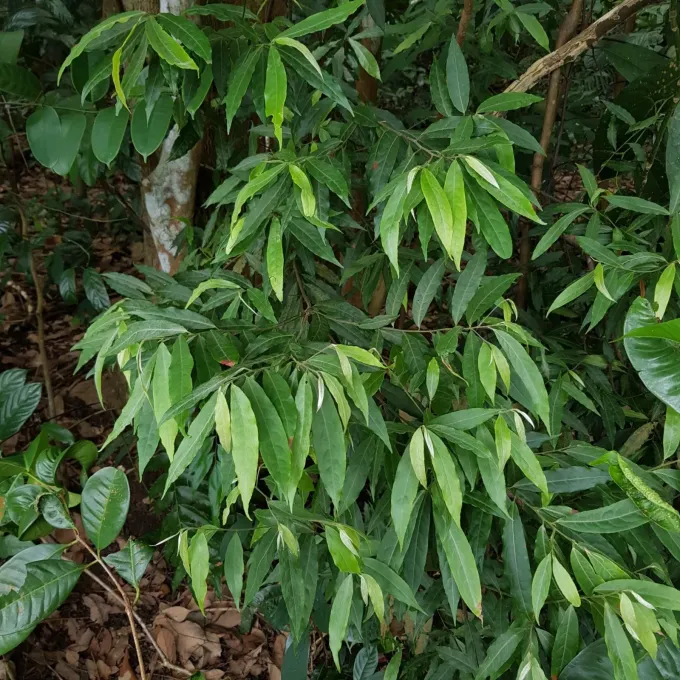
Botanically, the plant is characterized by its slender, lance-shaped leaves that mirror those of a willow tree, giving it a soft, elegant appearance. The foliage remains dense throughout the year, providing significant aesthetic value.
The primary horticultural use of this plant is ornamental. It is highly valued for its delicate, fringed flowers and graceful habit, making it an excellent candidate for conservatory displays or as an accent plant in tropical landscapes.
Main diseases and pests
The main threats to the health of the Willow-leaved Elaeocarpus include common greenhouse pests such as spider mites, especially during periods of dry indoor air.
Scale insects represent another significant risk, often colonizing the stems and the undersides of leaves, which can lead to stunted growth and leaf drop.
Fungal diseases are frequently linked to poor ventilation or excessively moist soil conditions, which create a conducive environment for various pathogens.
Effective management involves consistent sanitation, such as removing fallen leaves and ensuring that the plant canopy has adequate space for air circulation.
When infestations occur, horticultural oils or systemic insecticides are recommended to manage the pest populations and restore the health of the specimen.