
Caribbean Sloanea
Sloanea caribaea
Description
Growing requirements
Caribbean Sloanea (Sloanea caribaea) is a prominent species within the Elaeocarpaceae family. Native to the tropical forests of the Caribbean islands and Central America, this tree is a vital component of the local forest canopy.
The tree thrives in fertile, deep, and well-drained soils. Ensuring proper aeration of the root system is essential for its long-term survival, as the species is sensitive to waterlogged conditions that can inhibit its growth and overall health.
Climate requirements focus on high, consistent temperatures typical of tropical environments. The species is highly adapted to areas with substantial annual rainfall, which is necessary to maintain the hydration levels required for its expansive foliage.
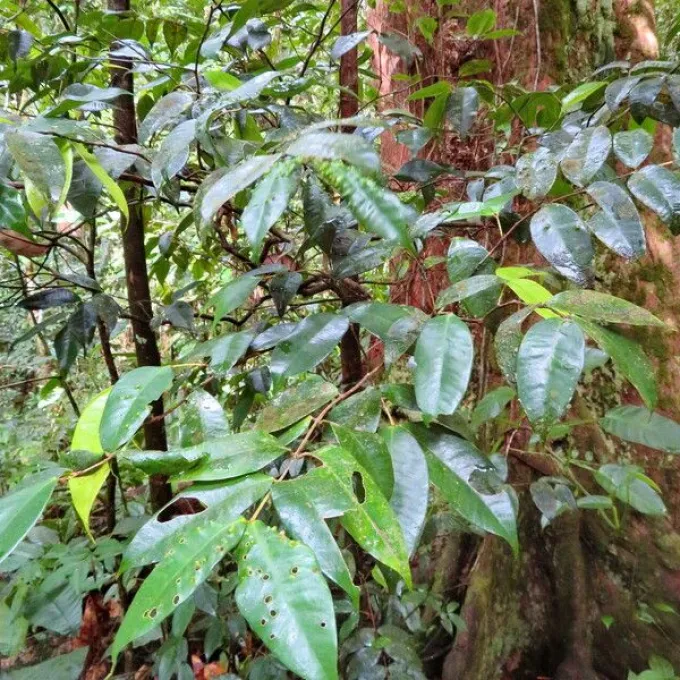
Botanically, the species is identified by its large buttress roots, which provide stability in the shallow, competitive soils of the rainforest. The crown is dense, providing significant shade and contributing to the complex biodiversity of the tropical understory.
In terms of economic value, the wood of Caribbean Sloanea is highly regarded for its durability and structural strength. It is utilized primarily in premium furniture making and specialized woodworking projects, favoring its preservation in managed forest areas.
Main diseases and pests
The primary threats to the species involve fungal pathogens that affect the root systems, especially in nurseries where drainage might be insufficient. Maintaining strict hygiene in soil management is crucial for preventing the spread of these soil-borne diseases.
Additionally, defoliating insects can pose a threat to young seedlings and saplings. Implementing a robust pest monitoring program ensures that any outbreaks are addressed early, protecting the growth rate and structural integrity of the trees.