
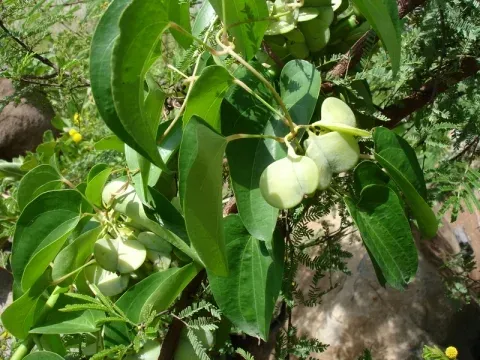
Abyssinian yam
Dioscorea abyssinica
Dioscorea abyssinica, commonly known as the Abyssinian yam, is a perennial herbaceous vine belonging to the Dioscoreaceae family. It is traditionally propagated using tuber pieces, ensuring that each fragment contains viable buds for sprouting.
What the section contains
Abyssinian yam
The planting process begins at the onset of the rainy season when soil temperatures are consistently high. Preparing the seed material in advance by placing tubers in a warm, semi-shaded area encourages early bud break.
Spacing is essential for this climbing crop; rows should be set at intervals of at least 60-80 centimeters to allow for optimal foliage development and airflow between individual vines.
Planting depth typically ranges from 5 to 10 centimeters, depending on the soil structure. In heavier soils, planting on raised beds or ridges is highly recommended to improve drainage and prevent tuber decay.
As the vines begin to grow, they must be trained onto vertical supports or trellises. This practice maximizes light interception and significantly enhances the photosynthetic capacity of the plant.
This tropical species thrives in warm climates with temperatures ideally between 25 and 30 degrees Celsius. It is highly sensitive to frost and cold snaps, which can kill the aerial parts and damage underground tubers.
The soil must be deep, well-draining, and rich in organic matter. Sandy loams are the preferred substrate, as they allow the tubers to expand freely without encountering physical resistance or waterlogging.
Abyssinian yam requires full sun exposure to reach its maximum yield potential. Excessive shade results in weak stem growth and significantly smaller tuber formation at the end of the growing cycle.
Consistent moisture is required throughout the growing season. While the plant dislikes waterlogging, periods of drought can cause tuber deformation and a reduction in the overall nutrient storage capacity.
Soil pH should ideally be kept in the range of 6.0 to 7.0. Incorporating compost or well-rotted manure during site preparation ensures a steady supply of nutrients, promoting robust plant health.
The yield of Dioscorea abyssinica is largely determined by the length of the growing season and the management of soil nutrition. Well-tended crops can produce significant biomass in the form of starch-rich tubers.
Using robust trellising systems allows for higher plant density per hectare, which directly correlates to an increased total harvest weight. The vine density effectively manages the leaf area index.
Harvesting usually occurs once the foliage turns yellow and dies back naturally, indicating that the plant has completed the translocation of nutrients from the leaves to the tuber system.
In addition to being a vital food source, the Abyssinian yam is recognized for its medicinal potential due to the presence of specific bioactive compounds, which adds to its economic utility.
Mulching the base of the plant helps maintain soil temperature and moisture levels, which is a key factor in achieving high-quality tubers with smooth skin and high starch content.
Root-knot nematodes are among the most significant pests for this crop, as they cause swellings on the tubers, reducing marketability and shelf life. Crop rotation is the most effective management strategy.
Fungal diseases such as anthracnose and various types of rots are common in high-humidity conditions. Ensuring proper spacing and airflow helps reduce the risk of infection in the plantation.
Leaf-feeding insects can cause defoliation, which hampers the plant's ability to store carbohydrates. Regular monitoring allows for the early application of biological pest control methods.
Weed control is critical during the first few weeks of growth, as young vines are susceptible to competition. Manual weeding is preferred to avoid damaging the developing root system.
Strict hygiene during the handling of tubers is necessary to prevent the spread of soil-borne pathogens. Removing infected plants immediately can save the rest of the crop from total destruction.
Harvesting is a manual process that requires care to ensure the tubers are extracted without mechanical injury. Using a fork rather than a shovel helps prevent accidental cuts to the tuber surface.
Once harvested, tubers should be cleaned of excess soil and allowed to cure in a shaded, ventilated area for a few days. This process hardens the skin and seals minor wounds against decay.
Storage should take place in a cool, dark, and dry environment. Proper ventilation is essential to maintain tuber quality and prevent the spread of fungal spores during the storage period.
Selecting the best-formed tubers for the next planting season ensures the genetic consistency of the crop. These should be stored separately from the tubers intended for food consumption.
By observing the physiological stage of the plant, farmers can time the harvest to maximize starch accumulation, ensuring the tubers reach their peak nutritional and culinary value.