
Dillenia borneensis
Dillenia borneensis
Dillenia borneensis is a tropical evergreen tree belonging to the Dilleniaceae family. It is native to the tropical forests of Borneo, where it thrives in the humid and stable climatic conditions characteristic of the Southeast Asian region.
What the section contains
Dillenia borneensis
The crop demands a high-humidity environment with consistent temperatures year-round. It is not adapted to frost or significant temperature drops, making it suitable only for specific tropical cultivation zones with regular rainfall patterns.
Soil requirements for this species are specific: it prefers rich, organic, and well-drained soils. In its natural habitat, it is often found in areas with deep alluvial soils that remain moist, supporting the rapid root development of this tropical hardwood.
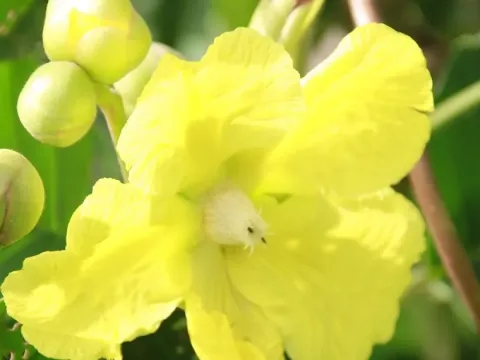
Botanically, Dillenia borneensis is distinguished by its large, leathery leaves with prominent parallel veins. The flowers are notable for their showy appearance, typically featuring numerous stamens, which is a hallmark trait of the Dillenia genus.
Agricultural management requires careful attention to seedling protection. Young plants are sensitive to intense direct sunlight and require shading during their initial growth stages to ensure survival and consistent development.
The fruit of this species serves as a traditional food source for local communities. The fruits are harvested when ripe and are prized for their acidic profile, often being incorporated into various local culinary applications, including preserves or sauces.
In addition to the fruit, the wood of Dillenia borneensis is utilized for small-scale construction and carpentry. It is appreciated for its density and relative durability in tropical climates, where wood rot is a common issue for other timber sources.
Harvesting is typically done by hand due to the nature of the terrain and the tree structure. Proper timing of the harvest is crucial to maintain fruit quality, as over-ripeness can lead to rapid deterioration of the fleshy components.
Maintenance of established trees involves pruning to improve light penetration and airflow within the canopy. This practice is essential for reducing the risk of fungal infections and pests that thrive in the dense, humid tropical environment.
As an agricultural crop, it remains largely managed within traditional agroforestry systems rather than industrial plantations. This approach helps maintain biodiversity and prevents soil erosion, highlighting the tree's role in sustainable land management.