
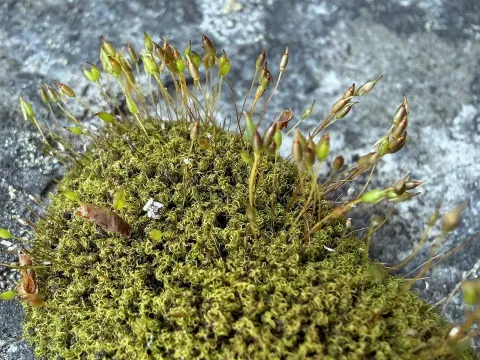
Dicranoweisia crispula
Dicranoweisia crispula
Dicranoweisia crispula is a species of moss within the Dicranaceae family, recognized for its dense, cushion-like growth form. The leaves of this moss typically exhibit a curled appearance when dry, which is a diagnostic feature for taxonomical identification in the field.
What the section contains
Dicranoweisia crispula
The origin and distribution of this moss are widespread across temperate, arctic, and alpine regions. It thrives primarily on acidic, rocky substrates, granite outcrops, and occasionally on decaying woody material, serving as a primary colonizer in diverse ecosystems.
Climatic requirements involve a preference for high humidity and cold to temperate zones. Unlike typical field crops, it is exceptionally hardy against freezing temperatures, demonstrating resilience in harsh northern climates where the growing season is significantly restricted.
Regarding soil conditions, this moss is highly adaptive to nutrient-poor environments where higher plants struggle to establish. In an agricultural context, its presence on marginal lands often indicates persistent soil moisture and lack of intensive tillage, acting as a natural indicator of soil health.
The agrotechnical significance of Dicranoweisia crispula is mainly related to soil stabilization and water retention. By forming a dense carpet, the moss prevents surface erosion and maintains moisture levels within the upper soil layer, which can be beneficial for the local soil microbiome.
Threats to this species include the intensification of agricultural practices, specifically the use of herbicides and excessive mineral fertilization. These chemicals alter the soil chemical composition, making it unsuitable for moss growth and favoring more competitive vascular plants.
Mechanical damage from grazing livestock or machinery can also devastate established moss colonies. Additionally, large-scale changes in land use, such as drainage or extensive soil turnover for planting commercial crops, directly destroy the niche required for the survival of this bryophyte.