
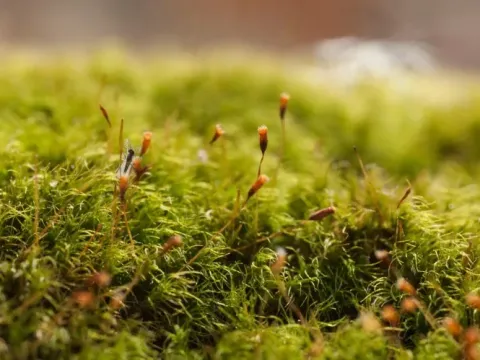
Dicranella
Dicranella
Dicranella is a genus of mosses belonging to the Dicranaceae family, widely distributed across various continents. While not a cultivated agricultural crop, it is a significant element of natural vegetation, often found on bare or disturbed soil substrates in moist habitats worldwide.
What the section contains
 Dicranella cerviculata
Dicranella cerviculata
Dicranella cerviculata
 Dicranella crispa
Dicranella crispa
Dicranella crispa
 Dicranella grevilleana
Dicranella grevilleana
Dicranella grevilleana
 Dicranella heteromalla
Dicranella howei
Dicranella howei
Dicranella heteromalla
Dicranella heteromalla
Dicranella howei
Dicranella howei
 Dicranella rufescens
Dicranella rufescens
Dicranella rufescens
 Dicranella schreberiana
Dicranella schreberiana
Dicranella schreberiana
 Dicranella staphylina
Dicranella staphylina
Dicranella staphylina
 Dicranella subulata
Dicranella subulata
Dicranella subulata
 Dicranella varia
Dicranella varia
Dicranella varia
Dicranella
The genus thrives in environments that are relatively damp, including stream banks, roadside ditches, and damp clay soil in forests. These mosses act as pioneer species, being among the first organisms to colonize disturbed ground, thereby helping to stabilize the surface against erosion.
Morphologically, Dicranella species appear as small, dense tufts or cushions. Their stems are typically short and erect, covered with narrow, linear to lanceolate leaves that often spread in different directions, giving the plant a delicate, needle-like appearance under close inspection.
The reproductive cycle is centered around the production of sporophytes. The capsules are typically asymmetrical, often inclined or drooping, and are borne on stalks (setae) that may be reddish or pale. The operculum (cap) usually features a distinct beak, which is a key trait for taxonomical identification.
Regarding ecological needs, Dicranella requires consistent humidity and prefers acidic to neutral soil conditions. They do not tolerate prolonged dry periods or excessive shading from dense vegetation canopy, making them perfect candidates for studies on ecological succession in open disturbed terrains.