
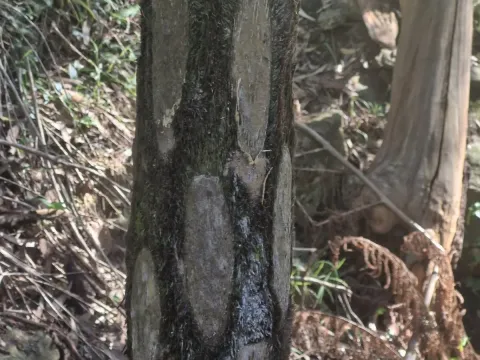
Sphaeropteris cooperi
Sphaeropteris cooperi
Sphaeropteris cooperi, commonly known as the Australian tree fern, belongs to the Cyatheaceae family. It is a large, rapidly growing plant originating from the rainforests of Queensland and New South Wales, where it serves as a significant structural component of the understory.
What the section contains
Sphaeropteris cooperi
To cultivate this species successfully, one must replicate its natural humid environment. The plant thrives in temperatures between 15°C and 25°C and requires constant protection from frost, which can cause irreversible damage to the fronds and the growing point.
The ideal growing medium should be coarse, well-draining, and rich in organic matter. A mixture of peat moss, perlite, and bark chips is typically used to ensure proper aeration for the root system, preventing the common issue of compaction found in heavy soils.
Watering requirements are substantial; the root ball must be kept consistently moist but never waterlogged. Furthermore, the fronds should be periodically misted or the surrounding air humidified to prevent the tips from browning due to low ambient humidity.
Light levels are crucial for the development of healthy, robust foliage. Bright, indirect light is essential; while the fern can tolerate partial shade, insufficient light will cause the plant to become leggy and lose its vibrant green coloration.
Scale insects are a persistent threat to Sphaeropteris cooperi. These pests attach themselves to the underside of the fronds and along the stems, extracting vital nutrients. Monitoring and manual removal or the application of horticultural oils are standard control measures.
Spider mites thrive in the warm, dry conditions often found in greenhouses. Their feeding activities cause the leaves to appear stippled and discolored. High humidity and regular air circulation are effective preventative strategies against these microscopic pests.
Root rot, primarily caused by species of Phytophthora, is the most lethal condition for these ferns. It occurs most frequently when plants are grown in poor-draining soil or overwatered, leading to the rapid decay of the vascular tissues in the trunk.
Fungal leaf spots can occur when foliage remains wet for extended periods in stagnant air. Ensuring adequate ventilation and avoiding overhead irrigation can significantly reduce the incidence of these cosmetic and structural foliage diseases.
Nutrient deficiency, specifically of magnesium or iron, is sometimes mistaken for disease. It is important to perform regular soil pH testing and apply a balanced, slow-release fertilizer formulated specifically for tropical ornamental ferns to maintain plant vigor.