
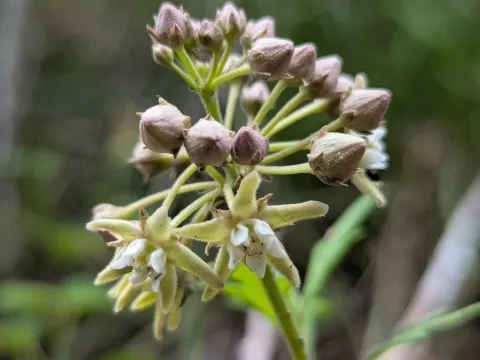
Cynanchum auriculatum
Cynanchum auriculatum
Cynanchum auriculatum is a perennial climbing vine that is typically propagated through seeds or division of rhizomes. Sowing should take place in spring once soil temperatures reach at least 15-18 degrees Celsius.
What the section contains
Cynanchum auriculatum
When starting from seeds, use trays or pots indoors during late winter to give plants a head start before the frost-free season. Seeds require a shallow depth of 1-2 centimeters.
Transplanting seedlings to the field requires a spacing of 50-70 centimeters to allow for healthy development and easy access during maintenance and harvest operations.
Initial irrigation is crucial immediately after planting to ensure the roots establish well in their new environment. Soil enrichment with organic matter prior to planting provides necessary nutrients for the early stages.
For large-scale cultivation, rhizome division is often preferred as it guarantees more uniform crop growth compared to seedling variability.
As a member of the Apocynaceae family, this vine requires full sun to partial shade and robust support systems like trellises. Without proper vertical support, the plant's development is significantly hindered.
The ideal soil is fertile, well-draining, and neutral to slightly acidic. Heavy clay soils prone to waterlogging should be avoided to prevent root diseases and ensure successful growth.
Consistent watering is essential, particularly during the peak growing season. However, once the plant is established, it can tolerate occasional short-term dry spells better than excessive dampness.
In colder regions, winter protection is necessary to prevent rhizome damage due to deep soil freezing. Mulching the base of the plant provides a simple and effective protective barrier.
Monitoring the temperature is important as extreme heat can slow down photosynthesis, potentially requiring occasional misting or shading for optimal results.
The primary economic focus is the harvest of the plant's roots, which contain active medicinal compounds. The crop is typically harvested on a 3 to 4-year cycle to allow for sufficient root biomass.
Yield stability is dependent on proper soil management and the exclusion of competing weeds, which can quickly overwhelm the vines if left uncontrolled.
The plant produces flowers in summer, but from an agricultural productivity standpoint, the resources should be directed towards root development rather than reproductive growth.
Proper nutrient management, specifically focusing on potash, can enhance the quality and concentration of active components within the rhizome structure.
While the cultivation process requires patience, the demand for high-quality medicinal herbal raw materials makes it a viable and profitable agricultural endeavor.
Spider mites are a common pest that thrives in hot, dry conditions, often attacking leaves and leading to dehydration and necrosis of the foliage.
Powdery mildew is a common fungal threat caused by poor airflow or high humidity, manifesting as a white, dusty layer on the leaves and stems.
Root rot is the most significant danger, frequently appearing in poorly drained soils. Once detected, infected specimens must be removed to protect the remaining crop.
Aphids may cause structural damage to developing tips, potentially acting as vectors for viral infections that could jeopardize the entire planting area.
- Regular field inspections for pest colonization.
- Implementation of preventative fungicide treatments.
- Maintaining optimal planting distances for efficient airflow.
Harvesting is performed in late autumn, when the aerial parts begin to senesce and the plant enters a dormant state, ensuring maximum active compound concentration in the roots.
The roots are carefully dug out, ensuring minimal physical damage, then thoroughly cleaned of soil and debris using clean water to prepare for processing.
Drying is a critical step that must be performed in controlled conditions—well-ventilated areas with temperatures not exceeding 50 degrees to preserve medicinal efficacy.
The final raw material is sorted based on quality standards, ensuring it is free from impurities and potential contaminants before it reaches the pharmaceutical market.
Storage requires a cool, dry, and dark environment to maintain the integrity of the bioactive components for up to several years until final processing occurs.