
Gynostemma pentaphyllum
Gynostemma pentaphyllum (Thunb.) Mak.
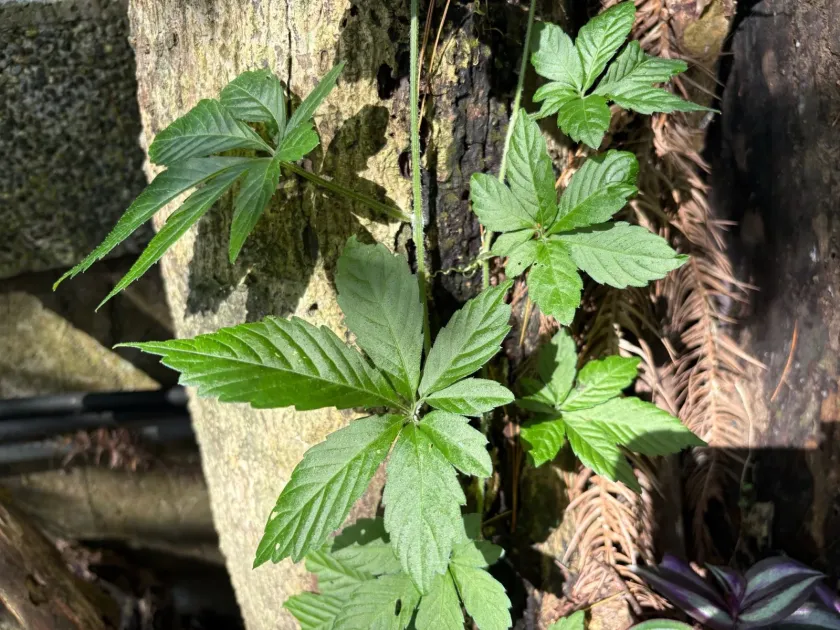
Description
Sowing dates
Gynostemma pentaphyllum is a perennial trailing vine belonging to the Cucurbitaceae family. In agricultural settings, it is primarily propagated through vegetative cuttings, as seeds often exhibit erratic germination and poor uniformity.
The optimal time for transplanting established cuttings into the field is late spring, once the risk of frost has completely passed and the soil temperature has reached at least 15 degrees Celsius.
Planting density is a critical factor for success. Spacing plants approximately 50 centimeters apart ensures adequate airflow and reduces the risk of fungal diseases, which are common in dense canopies.
Cuttings should be rooted in a well-draining, sterile substrate for two to three weeks until a robust root system has formed before being moved to the field or greenhouse.
For large-scale cultivation, protecting young plants with lightweight row covers during the first two weeks helps them acclimate to the environment, preventing stress from wind and sudden temperature changes.
Growing requirements
Gynostemma requires fertile, well-draining loamy soil with a neutral to slightly acidic pH range of 6.0 to 7.0. Ensuring high organic matter content through composting is highly beneficial for sustained growth.
This crop thrives in humid, temperate to subtropical climates. While it loves moisture, it is sensitive to waterlogged conditions, which can lead to root decay and total crop loss if not managed properly.
Light exposure must be filtered. High-intensity, direct afternoon sun can scorch the delicate leaves; therefore, shade cloth or intercropping under the canopy of taller plants is recommended to simulate its natural environment.
Regular irrigation is essential for maintaining leaf turgor and metabolic activity. Drip irrigation systems are the most efficient way to maintain consistent soil moisture levels throughout the growth cycle.
As a climbing plant, Gynostemma requires structural support. Installing trellises, netting, or vertical wires allows the vines to climb, which optimizes leaf exposure to light and simplifies the harvesting process.
Yield
The economic value of Gynostemma lies in its vegetative biomass, specifically the leaves and succulent stems. Under optimal conditions, a plantation can yield multiple harvests within a single growing season.
Yield is directly proportional to the number of harvests and the level of nutrients supplied. Strategic nitrogen and phosphorus applications promote vigorous regrowth after each cutting cycle.
Techniques such as tipping or pinching back the main stems are standard practices to encourage lateral branching. This creates a denser plant structure, significantly increasing the harvestable weight per square meter.
The first harvest usually occurs 8 to 12 weeks after the initial planting. Continuous, selective harvesting of the longest, healthiest shoots allows the plant to continue growing until the end of the season.
While the first year is focused on establishment, the second year typically offers the highest biomass production. Proper maintenance and regular weeding are necessary to ensure the plantation remains productive over several years.
Main diseases and pests
Fungal pathogens, particularly powdery mildew, are the primary concern for Gynostemma growers. High humidity combined with poor air circulation creates the perfect environment for these spores to flourish.
Root rots caused by soil-borne pathogens are typically associated with poor drainage. Proper site selection and land preparation are the most effective preventive measures against these issues.
Pests like spider mites and aphids are known to target the plant, especially in protected greenhouse environments. They deplete the plant of its sap, leading to stunted growth and reduced quality of the herbal product.
Integrated Pest Management (IPM) is strongly advised, favoring the use of biological controls, such as beneficial predatory mites or neem-based sprays, over synthetic chemical pesticides to preserve the medicinal value of the crop.
To prevent the buildup of soil-borne pests, it is recommended to implement a crop rotation schedule, avoiding consecutive years of Gynostemma cultivation on the same plot if possible.
Harvesting
Harvesting is performed by hand-clipping young, healthy vines. It is vital to leave a portion of the lower stem intact to allow the plant to regenerate new foliage for future cycles.
Harvesting should ideally take place in the early morning, once the dew has evaporated but before the heat of the day reaches its peak, to ensure the highest concentration of phytochemicals.
The collected biomass must be handled gently to prevent bruising. Rapid transport to the drying facility is crucial, as the fresh material can quickly ferment if left in piles, leading to quality degradation.
Drying should occur in a well-ventilated, shaded area at temperatures below 40 degrees Celsius. Excessive heat or direct sunlight will cause the loss of bioactive compounds and discolor the leaves.
After the final harvest of the season, residual plant debris should be removed from the field to reduce the overwintering population of pests and diseases, followed by a light application of fertilizer to help roots survive the winter.