
Gurania makoyana
Gurania makoyana
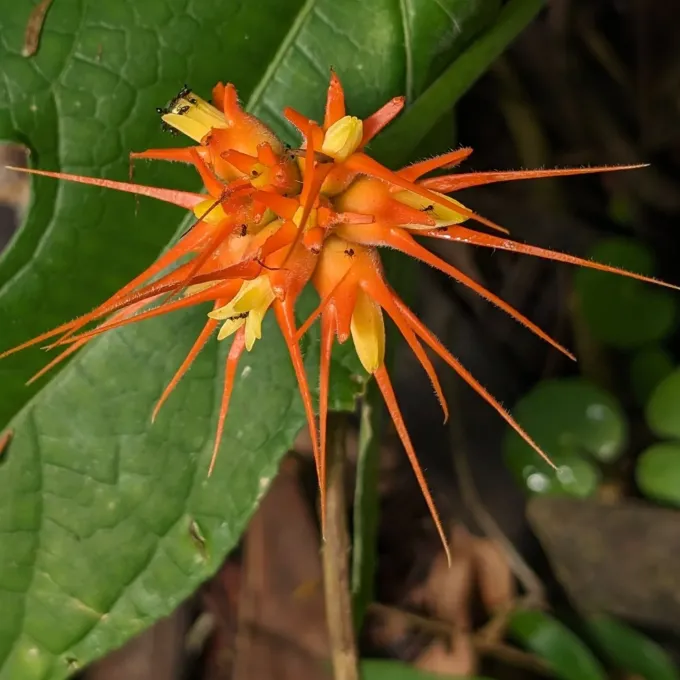
Description
Growing requirements
Gurania makoyana is a perennial climbing plant belonging to the Cucurbitaceae family. It is native to the tropical rainforests of Central and South America, where it thrives in humid, shaded environments.
The plant is known for its distinctive morphology, featuring rapid-growing vines and unique, bright-colored flowers that make it a notable botanical specimen in greenhouses.
Cultivation requires a tropical climate with temperatures consistently between +22 and +28 degrees Celsius. Any drop below +15 degrees Celsius can be detrimental to the plant's health.
A well-draining, nutrient-rich soil mix is essential. The medium should be high in organic matter to mimic the natural forest floor habitat and maintain optimal moisture levels.
Vertical support systems are strictly necessary as the vine grows aggressively. Providing adequate space and light is crucial for the plant to develop its full ornamental and biological potential.
Main diseases and pests
Spider mites are the most common pest, especially in indoor conditions with low humidity. They typically infest the underside of leaves, causing chlorosis and plant decline.
Aphids are another frequent threat, targeting the soft tissues of new shoots and flower buds, leading to stunted growth and potential transmission of viral diseases.
Root rot, caused by various soil-borne fungi, is a frequent complication when soil drainage is poor or when irrigation exceeds the plant's transpiration requirements.
Powdery mildew may develop on the foliage if air circulation is insufficient within the growing environment, leading to a visible white fungal layer on the leaves.
Integrated pest management, including regular inspections and strict microclimate control, is the best strategy for managing these threats in a commercial or collection setting.