
Eureiandra formosa
Eureiandra formosa
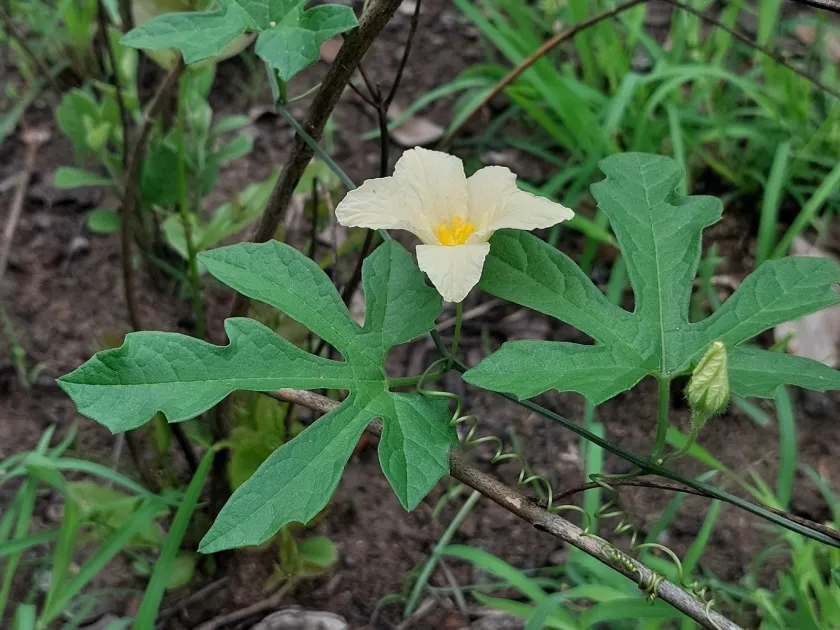
Description
Growing requirements
Eureiandra formosa is a perennial climbing plant belonging to the Cucurbitaceae family. This species originates from tropical regions of Africa, where it thrives in warm, humid forest margins and wooded grasslands.
As a vigorous climber, this plant requires sturdy support structures, such as trellises or mesh, to manage its rapid vegetative growth. It uses specialized tendrils to anchor itself and ascend towards available light.
The ideal soil for Eureiandra formosa is a nutrient-rich, well-draining loam. Adding perlite or coarse sand is recommended to enhance drainage, as the plant is highly sensitive to waterlogged conditions which promote root rot.
Temperature requirements are stringent, necessitating a range of 20°C to 30°C. Cold exposure can be fatal to this tropical specimen, so indoor or greenhouse cultivation is mandatory in regions outside the tropical belt.
Light exposure should be filtered or bright indirect light. Direct tropical sun, especially during the afternoon, can scorch the leaves and negatively affect the plant's overall vigor and flowering potential.
Main diseases and pests
Root rot is the primary disease risk for Eureiandra formosa, triggered by poor irrigation management or heavy, non-porous soil mixtures. Ensuring a drying cycle between waterings is essential for disease prevention.
Spider mites are common indoor pests, thriving in the warm, dry air often found in artificial environments. Regular misting and maintaining appropriate humidity levels are effective natural deterrents.
Powdery mildew, characterized by a fine white fungal dust on the foliage, can appear if air circulation is inadequate. Improving ventilation and reducing humidity around the leaves helps to manage this condition.
Aphids can target new growth and buds, causing leaf curling and distorted development. Biological controls, such as beneficial insects, or mild horticultural soaps are recommended for immediate management.
Fungal infections can also be introduced through infected growing medium, making the use of high-quality, sterilized compost or coco peat essential for young transplants and container-grown plants.