
Eureiandra leucantha
Eureiandra leucantha
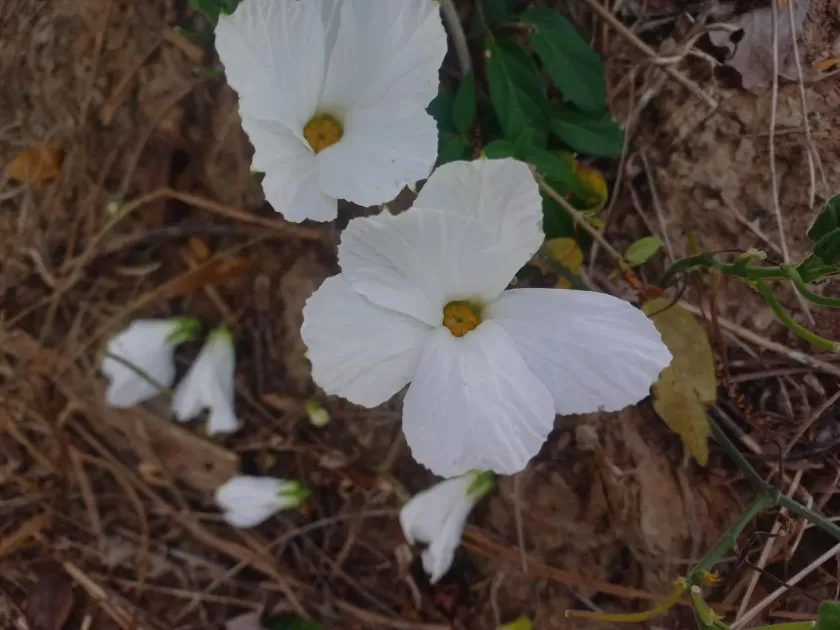
Description
Sowing dates
Eureiandra leucantha is a fascinating member of the Cucurbitaceae family. This perennial climbing plant is native to tropical Africa and is well-adapted to warm, humid environments where it grows from a tuberous root.
For successful propagation, seeds should be sown in a warm, sheltered environment. The soil temperature must be consistently above 20 degrees Celsius to ensure high germination rates and robust seedling development.
In greenhouse settings, planting can begin several weeks before the last frost. Utilizing biodegradable pots helps reduce transplant shock, which is crucial for this species’ sensitive root system.
Spacings should be generous, as the vines grow vigorously and require significant surface area or vertical height to spread their foliage and produce flowers.
The planting medium should be porous, allowing for rapid water drainage while retaining just enough moisture to support steady growth during the early stages of life.
Growing requirements
This species demands full sun exposure to thrive and produce its characteristic white flowers. In regions with intense afternoon heat, light afternoon shade may prevent leaf scorching.
Soil requirements focus on high nutrient availability and excellent aeration. Amending soil with compost or well-rotted manure before planting provides a strong foundation for the tuber to grow.
Water management is critical. While the plant is drought-tolerant once established due to its tuberous structure, it requires consistent moisture during the blooming and fruiting periods.
Climatic conditions should mimic tropical patterns, avoiding extremes in temperature. Prolonged exposure to temperatures below 10 degrees Celsius can cause dormancy or irreparable tissue damage.
Fertilization with a balanced NPK fertilizer supports healthy vegetative growth. Reducing nitrogen and increasing potassium during the flowering phase ensures better fruit set.
Main diseases and pests
Like many Cucurbits, Eureiandra leucantha is susceptible to powdery mildew, which can significantly reduce photosynthetic capacity if not treated with appropriate organic fungicides.
Root rot is a major threat, particularly in poorly drained soils. Preventing soil waterlogging is the primary defense strategy against these fungal pathogens.
Spider mites are common pests in dry, hot conditions. These pests attack the foliage, leading to yellowing and premature leaf drop if infestations are not controlled early.
Aphids can also be problematic, especially in the early spring. Monitoring the underside of leaves and using insecticidal soaps can mitigate these risks effectively.
- Use of reflective mulch to deter flying insect pests.
- Regular inspection for fungal spots on stems and leaves.
- Removal of plant debris to prevent overwintering of pathogens.