
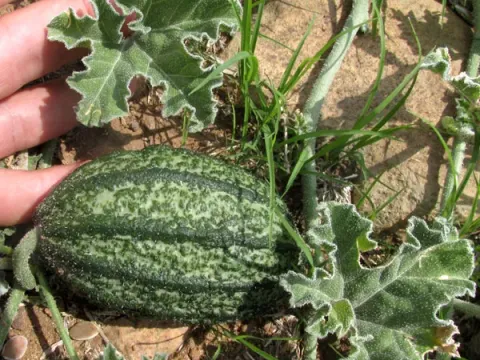
Pedatifid-leaved squash
Cucurbita pedatifolia
Cucurbita pedatifolia, or the pedatifid-leaved squash, is a distinct species belonging to the Cucurbitaceae family. Unlike conventional cucurbits, this species is prized for its caudiciform habit, which allows it to store moisture in a swollen stem base.
What the section contains
Pedatifid-leaved squash
Native to the arid regions of Mexico, this plant is well-adapted to environments where water availability is inconsistent. Its evolution has favored the development of succulent tissues, making it a unique ornamental and botanical curiosity.
The cultivation of this plant requires highly porous and gritty soil mixtures. Standard potting soil is insufficient, as this species demands exceptional drainage to prevent the caudex from rotting during the dormancy phase.
Sunlight requirements are rigorous; the plant thrives under bright, direct light. In indoor environments, southern exposure or supplemental high-intensity LED lighting is recommended to maintain compact growth and proper leaf development.
Temperature management is critical for the success of Cucurbita pedatifolia. As a tropical to subtropical native, it requires warmth and will sustain significant damage if exposed to freezing temperatures or prolonged cold spells.
The primary threat to the health of the pedatifid-leaved squash is root and caudex rot. This condition is almost exclusively caused by overwatering or soil that retains moisture for too long, leading to anaerobic conditions around the roots.
Fungal pathogens such as powdery mildew frequently target the foliage when air circulation is inadequate. Keeping the leaves dry and ensuring good ventilation are essential cultural practices to mitigate this risk.
Pests, particularly spider mites, are attracted to the plant during hot and dry conditions. They pierce the leaf cells to feed on sap, which causes the foliage to lose color and eventually drop, severely weakening the specimen.
Integrated pest management, including regular inspection and the use of targeted miticides, is necessary to keep the plant healthy. Avoiding chemical stress and maintaining proper humidity levels helps the plant resist secondary infections.
Early detection of signs such as discoloration or leaf curling is vital. Adjusting the irrigation schedule immediately upon spotting these symptoms can prevent the progression of rot and save the caudex from permanent damage.