
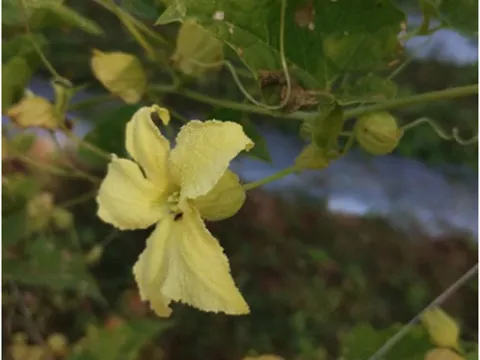
Momordica multiflora
Momordica multiflora
Momordica multiflora is a perennial herbaceous climbing plant belonging to the Cucurbitaceae family. Originating from the tropical regions of Africa, this plant has adapted to warm, humid environments where it thrives as a vigorous vine.
What the section contains
Momordica multiflora
In temperate climates, the cultivation of Momordica multiflora is strictly limited to indoor seedling production followed by transplanting. The seeds possess a hard seed coat, which requires mechanical scarification or soaking in growth stimulants to ensure uniform and timely germination.
Sowing should be scheduled 4 to 6 weeks before the last expected frost date. It is critical to use individual biodegradable pots to avoid root disturbance during transplanting, as the root system is highly sensitive to damage and shock.
The germination phase requires consistent temperatures ranging between 25 and 28 degrees Celsius. Once the seedlings emerge, high light intensity must be provided to prevent the stems from becoming thin and leggy.
Transplanting to the permanent location, whether in a greenhouse or open garden, should only occur when soil temperatures have stabilized above 15 degrees Celsius. Exposure to temperatures below this threshold can significantly stunt the plant's growth.
Momordica multiflora demands high solar exposure for optimal development. It thrives best in full sun, which is necessary for triggering the flowering mechanism and supporting the energy-intensive process of fruit production.
The soil must be fertile, rich in organic matter, and possess excellent drainage capabilities. Waterlogging is particularly dangerous for this species, as it rapidly leads to root rot and systemic plant failure.
As a climbing vine, this plant requires sturdy vertical support. Trellises, wire nets, or wooden supports are essential to manage the extensive vegetative growth, improve air circulation through the foliage, and facilitate easier harvesting.
Regular irrigation is vital, particularly during the flowering and fruiting stages. While the plant needs moisture, the surface soil should be allowed to dry slightly between watering cycles to maintain the correct oxygen balance in the root zone.
Fertilization should follow a balanced program using NPK-rich formulations. During the vegetative stage, nitrogen-based fertilizers promote leaf and stem growth, while phosphorus and potassium levels should be increased as the plant approaches the reproductive phase.
Spider mites and whiteflies are the most common pests, especially in protected environments like greenhouses. They tend to proliferate during periods of low humidity and poor ventilation, causing significant stress to the host plant.
Powdery mildew represents a major fungal threat to Momordica multiflora. It manifests as a white, dusty layer on the leaves, which can severely impair the plant's photosynthetic capacity and eventually kill the vines.
Bacterial wilt is a severe disease often spread by sap-sucking insects. Once infected, the plant loses turgor pressure rapidly, leading to permanent wilting and death, which makes vector control a priority.
Root rot is typically an outcome of poor drainage or overwatering. Maintaining a well-drained substrate and avoiding stagnant water around the root collar are primary preventive measures against soil-borne pathogens.
Management practices for maintaining plant health:
- Implement a strict insect control program using biological agents.
- Ensure wide spacing between plants to maximize airflow.
- Apply preventative fungicidal sprays when local humidity levels are high.