
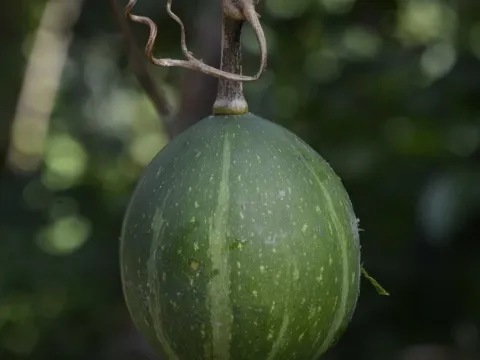
Okeechobee Gourd
Cucurbita okeechobeensis
The Okeechobee Gourd is a tropical species, requiring warm soil temperatures consistently above 20 degrees Celsius for successful germination.
What the section contains
Okeechobee Gourd
In its native Florida habitat, seeds germinate during warm seasons characterized by high humidity and significant solar radiation levels.
When cultivating in temperate climates, using starter pots indoors is essential to compensate for the plant's long vegetative growth cycle.
Seeds should be sown 4 to 6 weeks before the final frost date to ensure the seedlings are robust enough for transplantation.
Transplanting into the field must only occur once the soil has thoroughly warmed, as this species is extremely sensitive to cold-induced stunting.
Originating from the Okeechobee lake basin in Florida, this plant thrives in humid environments with nutrient-rich, alluvial soil types.
Success in cultivation requires well-draining, fertile substrates that maintain moisture without becoming waterlogged at the root zone.
As a member of the Cucurbitaceae family, it produces long, vigorous vines that require sturdy vertical support to grow efficiently.
Full sun exposure is mandatory; the plant performs poorly in shaded areas and needs direct light for healthy fruit development.
Consistent irrigation is vital during the peak growing season, though care must be taken to ensure adequate air circulation around the foliage.
The yield of this species is not commercially significant, as the plant is primarily cultivated for research and genetic conservation purposes.
Fruits of the Okeechobee Gourd are generally small with a smooth skin, representing a distinct morphology compared to standard cultivated squashes.
The total weight of the harvest is typically low, but the plant is highly valued by breeders for its unique resistance to specific environmental stressors.
Productivity is heavily dependent on pollinator activity, which must be adequate to ensure proper fertilization of the female flowers.
Most harvests are dedicated to seed collection, ensuring the preservation of the genetic lines for future agricultural and botanical studies.
Like many Cucurbita species, this plant is vulnerable to common pests including aphids and spider mites, especially in humid conditions.
Powdery mildew represents a major threat, particularly in areas with poor airflow and high humidity, which can quickly devastate the foliage.
Anthracnose is another significant disease that can affect the health of the leaves and fruit, leading to rapid deterioration of the plant.
Integrated pest management strategies are recommended, focusing on early detection and maintaining proper spacing to reduce disease pressure.
Preventing water from splashing onto the leaves during irrigation can significantly lower the risk of fungal outbreaks within the crop.
Harvesting should take place once the peduncle begins to dry out and the fruit skin reaches its mature, characteristic color.
It is best to use clean, sharp pruning shears to cut the fruit, leaving a portion of the stem attached to prevent entry points for pathogens.
Fruits should not be left in direct contact with wet soil post-harvest, as this facilitates fungal growth and rot on the fruit surface.
Post-harvest, fruits should be cured in a well-ventilated, shaded area to allow the skin to harden and improve overall storage life.
For long-term storage or seed preservation, keeping the cured gourds in a cool, dry environment is essential to maintain seed viability.