
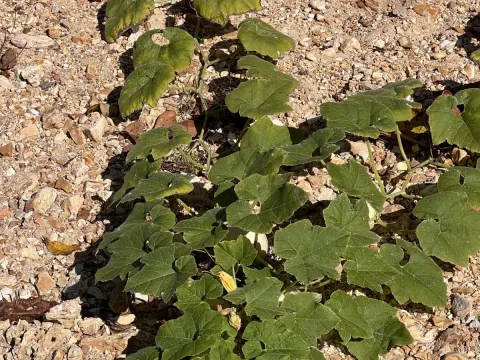
Pattypan squash
Cucurbita melopepo
Pattypan squash (Cucurbita melopepo) is a warm-season crop belonging to the Cucurbitaceae family. Sowing seeds directly into the open ground is possible once the soil temperature consistently reaches 12–14°C at a depth of 10 cm.
What the section contains
Pattypan squash
In regions with shorter growing seasons, starting plants indoors is recommended. Seedlings should be raised for 25–30 days in individual pots, as the plant’s root system is sensitive to transplant shock and requires careful handling.
Seeds germinate optimally at soil temperatures between 20–25°C. Young sprouts are extremely susceptible to frost, necessitating that the final transplanting or sowing date be planned only after the risk of frost has completely passed.
A typical planting spacing for bush varieties is 60–70 cm between plants. Adequate spacing is essential to ensure proper air circulation, which helps reduce the humidity around the foliage and minimizes the risk of fungal diseases.
Crop rotation is vital for success; avoid planting pattypan squash in areas where other cucurbits, such as cucumbers or pumpkins, have been grown in the previous three years to prevent the buildup of soil-borne pathogens.
Pattypan squash thrives in sunny, well-drained locations protected from strong winds. A site with full sun is non-negotiable for high yields, as shade often leads to leggy growth and blossom drop.
Fertile soil with a neutral to slightly acidic pH is ideal. Rich loamy or sandy soils that can retain moisture while providing excellent drainage support the aggressive growth pattern of these plants.
Consistent soil moisture is required, particularly during the flowering and fruit-setting stages. Avoid overhead irrigation to keep the foliage dry, which significantly reduces the incidence of powdery mildew and other foliar pathogens.
The plants benefit from balanced fertilizers rich in phosphorus and potassium. Applying compost or well-rotted manure during site preparation provides a stable foundation of nutrients for the entire growing season.
The optimal growth temperature is between 22–27°C. Temperatures exceeding 35°C can cause pollen sterility, leading to a significant reduction in fruit set and lower overall productivity.
The potential yield of pattypan squash varies based on climate and variety, typically reaching 20–30 tons per hectare under intensive management. Consistent management of plant health is the primary factor in reaching these volumes.
Frequent harvesting is the most effective strategy for maximizing total yield. Removing young fruits encourages the plant to continue producing new blossoms and prevents the depletion of resources required for fruit development.
Marketable fruit is typically harvested at the technical maturity stage, usually when the fruit diameter is between 5–8 cm. At this point, the skin is tender, and the interior seeds have not yet developed.
The growth cycle from sowing to first harvest spans 45–60 days. If weather conditions remain favorable, the plants will continue to produce until the first autumn frosts, assuming regular fruit removal occurs.
Industrial cultivation relies on careful monitoring to ensure that no fruits reach an oversized, hard-skinned state, which would signal the end of the productive cycle for that specific plant.
Fungal diseases, specifically powdery mildew and anthracnose, are significant threats, especially in humid and stagnant air conditions. Proactive monitoring and the use of resistant hybrids are the best forms of defense.
Root rots occur primarily in waterlogged soils or when soil temperatures drop too low for too long. Proper site selection and drainage management are the first steps in preventing these issues.
Pests like aphids and spider mites are common enemies of the pattypan squash. They pierce the leaf tissue to feed on sap, which causes chlorosis, leaf deformation, and a decline in the plant’s overall photosynthetic capacity.
Integrated Pest Management (IPM) practices, including the use of biological controls and selective insecticides, are recommended to protect the crop. Weed control is also essential, as weeds can act as vectors for viruses.
Maintaining a healthy, well-nourished plant is often the best defense, as strong, vigorous plants are more resilient to minor pest infestations than stressed ones.
Harvesting is done selectively, targeting small, firm fruits with delicate, thin skin. Using a sharp knife or shears to cut the fruit with a piece of the stem attached is standard practice.
Care must be taken to avoid mechanical bruising of the fruits. Damage to the skin creates entry points for decay-causing fungi, which quickly compromise the quality of the harvested produce.
Pattypan squash is highly perishable and should be used shortly after harvest. While storage at 5–10°C can extend quality for a week or two, it is not a long-term storage crop and should be processed or sold quickly.
Sorting by size immediately after harvest helps in grouping fruits for specialized culinary uses. Smaller fruits are generally preferred for pickling, while slightly larger ones are excellent for sautéing or baking.
Manual labor remains the most reliable method for harvesting high-quality pattypan squash, as machine harvesting often results in cosmetic damage that significantly reduces the market value of the crop.