
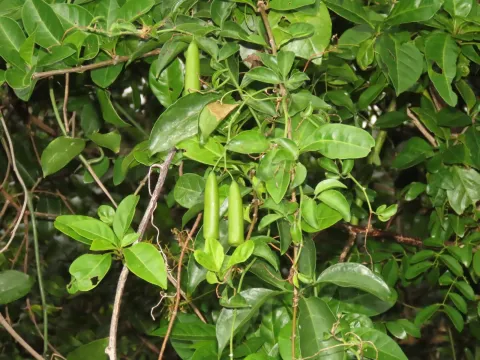
Neoalsomitra
Neoalsomitra
Propagation of Neoalsomitra is typically achieved through seeds, which should be planted in a high-quality, well-draining seed-starting mix. The ideal time for sowing is during the spring season to capitalize on lengthening daylight hours.
What the section contains


Neoalsomitra
Seeds are sown at a depth of about 1 to 2 centimeters. Maintaining a warm, consistent environment with temperatures between 22 and 26 degrees Celsius is critical for successful germination.
Using a humidity dome or covering the trays with plastic helps maintain the necessary moisture levels during the initial growth stages. Once seedlings emerge, ventilation should be gradually increased.
Transplanting to individual pots should occur after the first true leaves have developed. Ensuring sufficient root space from an early age promotes vigorous vine development later on.
Because Neoalsomitra is a rapid grower, seedlings require sturdy supports early in their life cycle to manage their climbing habit effectively and prevent tangling.
Neoalsomitra is a genus of climbing plants belonging to the Cucurbitaceae family. These plants are native to the tropical forests of Southeast Asia and Australia, where they thrive in humid conditions.
The plant requires bright, indirect light to flourish. Excessive direct sunlight, especially in intense tropical climates, can scorch the foliage and hinder the plant's overall health and vigor.
Soil requirements include a rich, fertile substrate with excellent drainage properties. A mix containing organic matter such as peat or compost is generally recommended to provide sustained nutrients.
As a tropical species, Neoalsomitra is sensitive to cold temperatures. It should be kept in environments where temperatures remain well above 15 degrees Celsius to prevent stress and dormancy.
Watering should be consistent, ensuring the soil remains moist but never waterlogged. High ambient humidity is also beneficial and mimics the natural tropical habitat of the vine.
In indoor or greenhouse settings, Neoalsomitra is susceptible to spider mites, particularly when the ambient air is too dry. Regular inspection and misting are effective preventative strategies.
Fungal issues, such as powdery mildew, may occur if there is inadequate airflow or if the leaves remain wet for extended periods in cooler environments. Improving air circulation is essential for mitigation.
Root rot is a major threat caused by overwatering or poor drainage. Using a porous soil medium and allowing the top layer of soil to dry slightly between waterings helps prevent this condition.
Scale insects and aphids can sometimes colonize the stems and underside of leaves. These pests should be managed immediately upon discovery using gentle insecticidal soaps or horticultural oils.
Proactive cultural management, including cleaning foliage and monitoring humidity levels, remains the most effective way to protect the plant from common pests and diseases throughout the growing season.