
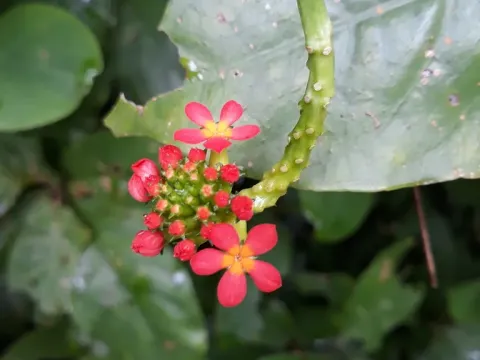
Psiguria
Psiguria
Sowing Psiguria seeds requires warm conditions, ideally within a greenhouse environment at temperatures between 24°C and 26°C. Use well-draining, nutrient-rich potting mix for best results.
What the section contains

Psiguria
Seeds should be planted approximately 2 cm deep. Keeping the substrate consistently moist but not waterlogged is essential for successful germination, which usually occurs within two weeks.
Once the seedlings develop at least two sets of true leaves, they should be transplanted into larger pots to prevent root crowding. Careful handling is necessary as the roots are delicate.
In regions with cooler climates, Psiguria must be treated as a greenhouse crop. Planting outdoors is only feasible once ambient night temperatures remain consistently above 18°C.
Spacing is critical for the long-term health of the vines. Provide at least 1.5 to 2 meters of distance between individual plants to ensure adequate ventilation and access to light.
Psiguria is a genus of perennial herbaceous vines within the Cucurbitaceae family, originating from tropical regions of Central and South America. These plants thrive in high-humidity environments.
Soil requirements involve a pH range between 6.0 and 7.0. The soil must be highly fertile and enriched with organic matter, such as compost or aged manure, to support vigorous growth.
Climate needs are strictly tropical. The plants require a stable temperature range of 22°C to 30°C and suffer significant damage if exposed to sudden cold drafts or frost.
Light intensity is important; while Psiguria prefers partial shade or dappled light, it needs enough photosynthetic energy to produce flowers. Bright, indirect light is the best choice for indoor growing.
Water management is the pillar of Psiguria care. The soil should be kept uniformly moist during the growing season, with reduced watering frequency during any periods of lower light or growth dormancy.
Spider mites are the most common pest, especially in indoor environments with low humidity. They thrive on the underside of leaves and can cause yellowing and premature leaf drop.
Fungal infections, such as downy mildew, occur if humidity is high but air circulation is poor. Keeping the leaves dry during late-evening watering is a crucial preventative measure.
Root rot caused by Phytophthora or other soil-borne pathogens is a high risk if drainage is insufficient. Proper container drainage and avoiding heavy, clay-based soils mitigate this threat.
Aphids can introduce viral diseases into the plant colony. Monitoring the stems and buds closely allows for early intervention before the infestation impacts the plant's structural integrity.
- Use of organic neem oil for pest control.
- Implementing drip irrigation to minimize leaf wetness.
- Strict adherence to sanitation practices in greenhouse management.