
Shrubby bindweed
Convolvulus cneorum L.
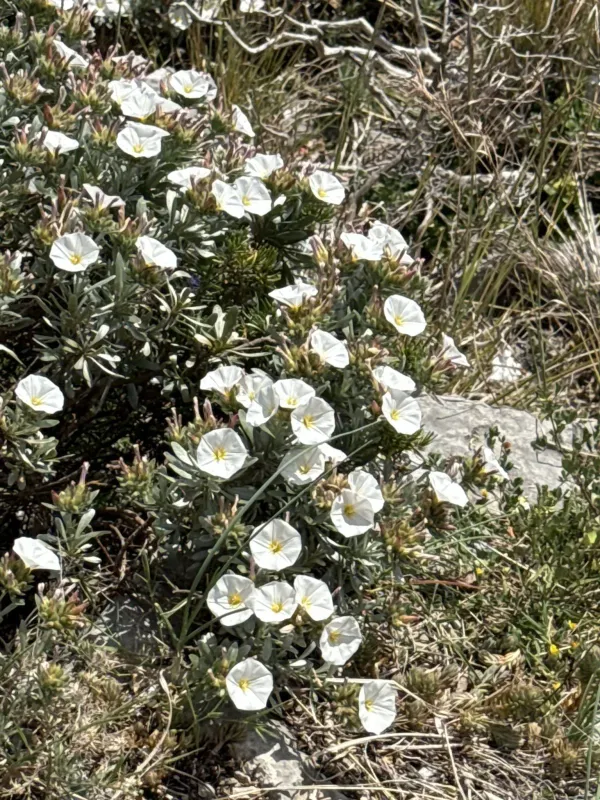
Description
Sowing dates
Shrubby bindweed (Convolvulus cneorum L.) belongs to the Convolvulaceae family and is highly valued in horticulture for its silvery foliage. Propagation is usually carried out via seeds sown in late winter under controlled greenhouse conditions.
Optimal germination occurs at temperatures between 18 and 20 degrees Celsius. Using a well-draining, sandy substrate is essential to prevent seed rot and ensure strong seedling development in the early stages.
Transplanting seedlings to their permanent outdoor location should only happen once the danger of late spring frost has completely passed. Spacing is crucial, with at least 30–40 centimeters required to facilitate optimal air circulation.
Semi-ripe cuttings taken in late summer serve as another effective method of propagation. These cuttings require a humid but well-aerated environment to initiate rooting before winter dormancy begins.
Regular pruning of the tips is recommended during the growing season to encourage branching. This simple agronomic practice ensures a dense, rounded, and aesthetically pleasing habit for the plant.
Growing requirements
Native to the Mediterranean region, this plant thrives in full sun exposure. It requires at least six to eight hours of direct sunlight daily to maintain its characteristic silver-grey leaf color and vigorous flowering.
Soil requirements are quite specific: the plant demands excellent drainage. It performs best in rocky, alkaline, or sandy soils where water cannot accumulate near the base of the crown, which would otherwise trigger decay.
The species is remarkably drought-tolerant once established. While it needs consistent moisture during its first season of growth, mature plants can withstand extended periods without supplemental irrigation.
Climate preferences lean towards regions with mild winters. In cooler climates, the plant should be treated as a container specimen and moved into frost-free areas or unheated greenhouses during the cold months.
Soil acidity should be kept within a neutral to slightly alkaline range. Excessive fertilization, particularly with high-nitrogen compounds, should be avoided as it compromises the plant's natural compact and hardy structure.
Main diseases and pests
Root rot is the primary threat to the health of shrubby bindweed. It is almost exclusively caused by over-irrigation or planting in dense, water-retentive clay soils that prevent the roots from breathing.
Aphids are common pests that tend to cluster on young, succulent shoot tips. They weaken the plant by extracting sap and can facilitate the transmission of harmful plant viruses during the active growing cycle.
Spider mites represent a significant risk during hot, dry summer months. Their presence is usually signaled by fine webbing and stippling on the leaves, leading to chlorosis and premature leaf drop if left untreated.
Cultural control, such as proper watering practices and ensuring adequate spacing, remains the most effective way to prevent fungal pathogens. Watering should always be directed to the base of the plant to keep the foliage dry.
If infestations or disease symptoms occur, timely application of targeted insecticides or systemic fungicides is necessary to manage the situation and preserve the overall health of the ornamental planting.