
Ground morning glory
Convolvulus sabatius Viv.
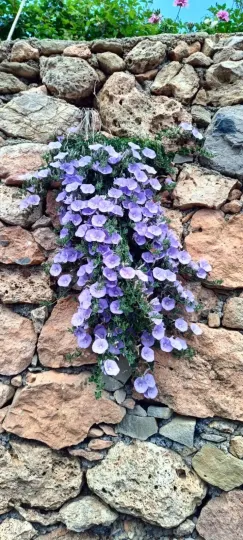
Description
Growing requirements
Ground morning glory (Convolvulus sabatius) is a perennial herbaceous plant belonging to the Convolvulaceae family. It is native to the Mediterranean region, typically thriving in rocky areas and coastal cliffs where it spreads across the terrain.
The plant features trailing or cascading stems that make it an excellent choice for ground covers or hanging baskets. Its leaves are generally small, oval-shaped, and possess a soft, greyish-green color that creates a subtle backdrop for its delicate, trumpet-shaped blue or violet flowers.
When it comes to environmental requirements, this species demands full sun and well-draining soil to perform at its best. It is highly sensitive to waterlogged conditions, which can lead to rapid root decay, so ensuring the soil structure is light and porous is crucial for success.
Climatically, it is a heat-loving plant. While it may survive light winters in protected areas, in colder regions, it is frequently treated as an annual or overwintered in containers indoors to protect it from freezing temperatures.
In landscaping, it is valued for its ability to soften the edges of stone walls, fill gaps in rock gardens, and provide vibrant color in container arrangements throughout the warmer months.
Main diseases and pests
The most common health issues for Convolvulus sabatius include fungal diseases such as root rot and powdery mildew, which are typically triggered by poor drainage or overly humid growing conditions.
Pests like aphids and spider mites are frequent visitors, especially during hot and dry spells. These insects thrive on the dense foliage, and if left unchecked, they can severely stunt the plant's growth.
To mitigate the risk of disease, gardeners should focus on correct irrigation practices, aiming the water at the base of the plant and avoiding overhead watering that keeps the leaves damp.
Effective pest management involves early identification of infestations. Regularly inspecting the undersides of the leaves can help catch mites or aphids before they multiply to a critical level.
Using horticultural soaps, neem oil, or appropriate systemic pesticides can help control outbreaks. Maintaining good plant hygiene by removing dead or yellowing stems also promotes better airflow and reduces fungal risks.