
Convolvulus tricolor
Convolvulus tricolor L.
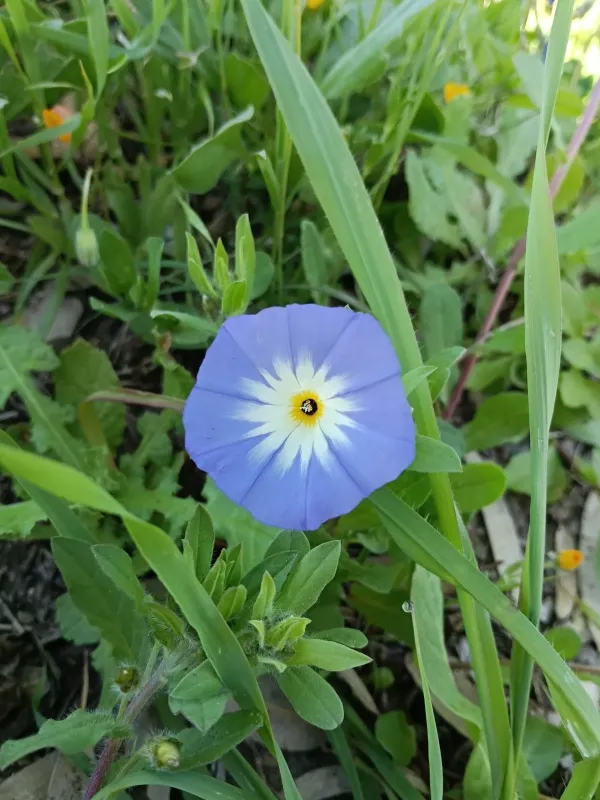
Description
Sowing dates
Convolvulus tricolor, commonly known as the dwarf morning glory, is an annual flowering plant belonging to the Convolvulaceae family. It is typically grown from seeds sown directly in their permanent location.
Sowing should be done in late spring once the danger of frost has passed and the soil has warmed sufficiently. Direct sowing is preferred due to the plant's sensitive taproot system.
Seeds are sown at a depth of approximately 1 to 2 centimeters in well-prepared soil. Keeping the seedbed moist is crucial for germination, which usually occurs within 10 to 14 days.
Once the seedlings are established, they should be thinned to provide a spacing of 20 to 25 centimeters. Proper spacing ensures better airflow and prevents the development of fungal diseases.
The growth cycle is relatively short, with plants reaching their peak bloom within two to three months after germination, providing quick coverage for beds and borders.
Growing requirements
This species requires full sun exposure to thrive and bloom effectively. While it can tolerate partial shade, insufficient light will result in leggy stems and poor flower production.
The plant prefers well-drained, sandy, or loamy soil. It is highly intolerant of waterlogged soil conditions, which can quickly lead to root decay and overall plant failure.
While Convolvulus tricolor displays moderate drought tolerance, regular watering during dry spells is recommended to maintain optimal floral display and plant vigor throughout the summer.
Soil fertility requirements are relatively low; excessive nitrogen fertilization should be avoided as it encourages vegetative growth at the expense of floral development.
Originating from the Mediterranean region, the plant is well-adapted to warm climates. It performs best in areas with long, sunny summers and well-drained growing media.
Main diseases and pests
Powdery mildew is the most common fungal issue for this species, characterized by white spots on leaves. It is often exacerbated by poor air circulation and high humidity.
Root rot caused by various soil-borne pathogens can occur if the soil remains wet for extended periods. Ensuring proper drainage is the primary method of prevention.
Aphids are a frequent pest that clusters on new growth, causing stunted development and the potential spread of viruses. Regular monitoring is necessary for early detection.
Spider mites may become problematic during hot and dry weather conditions. They feed on plant sap and can cause yellowing and necrosis of the foliage if left unchecked.
Integrated pest management, including the use of horticultural soaps or specific insecticides when necessary, helps maintain healthy and vibrant plant populations throughout the season.