
Euonymus vagans
Euonymus vagans
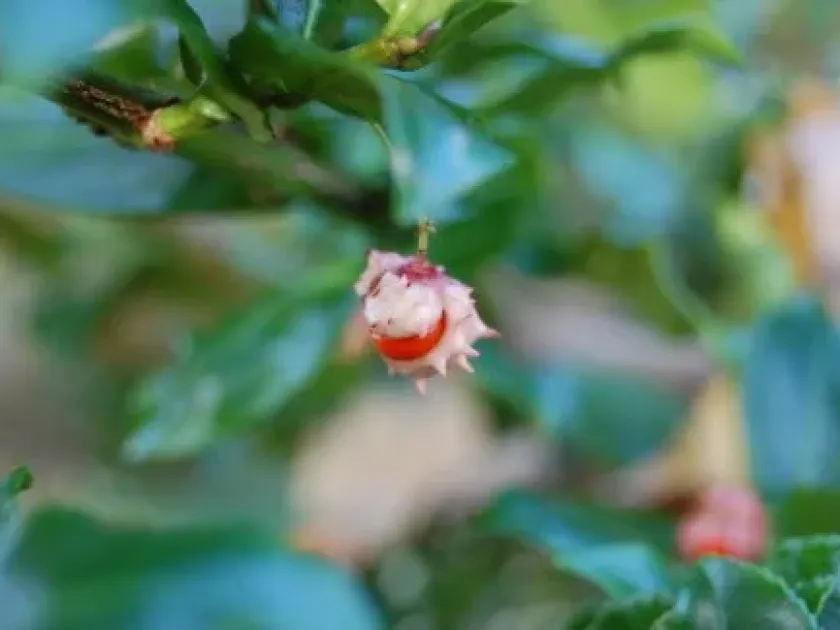
Description
Growing requirements
Euonymus vagans is a perennial shrub belonging to the Celastraceae family, native to the mountainous forest regions of China. This species is widely recognized for its prostrate or creeping habit, making it an excellent groundcover in various ornamental landscape settings.
The plant thrives in partial shade environments where the soil is rich in organic matter and maintains consistent moisture levels. Providing a well-drained substrate is critical for this species, as excessive water retention can severely damage the root system and lead to plant decline.
Regarding its cultivation, Euonymus vagans prefers neutral to slightly acidic soil conditions. To ensure optimal health, growers should maintain a regular fertilization schedule during the active growing season, focusing on balanced nutrient ratios to support vegetative expansion.
In landscape architecture, the plant is valued for its hardiness in low-light conditions and its ability to cover slopes effectively. It is frequently used to control soil erosion and to add texture to woodland garden designs where traditional lawn grasses may struggle to survive.
Maintenance tasks include periodic pruning to control the spread of the creeping stems and regular mulching to keep the roots cool during peak summer months. Proper spacing during initial planting is also essential to allow for adequate air circulation between stems.
Main diseases and pests
Common pests affecting Euonymus vagans include spider mites and scale insects, which can cause significant foliar damage if left unchecked in hot or dry weather conditions.
Fungal issues, particularly powdery mildew, are prevalent in environments with high humidity and poor air circulation, necessitating strategic placement of plants.
Integrated pest management strategies should be applied, including the use of horticultural oils for initial pest control and systemic insecticides for severe infestations.
Routine inspection of the foliage is recommended to catch the early stages of disease progression, allowing for surgical removal of infected plant material before it spreads.
Improving the site drainage and ensuring proper irrigation techniques are the most effective ways to mitigate the risk of root rot and other moisture-related pathologies.