
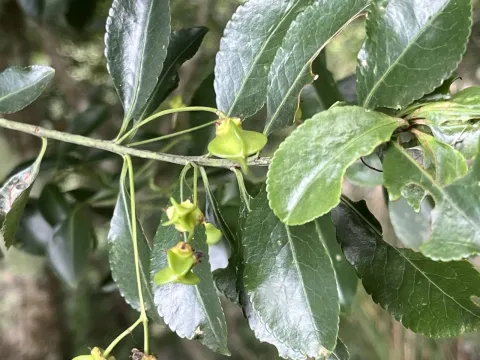
Fleshy euonymus
Euonymus carnosus
The Fleshy euonymus (Euonymus carnosus) is a member of the Celastraceae family. It is a perennial woody plant native to the forested regions of East Asia, where it has evolved to thrive in diverse microclimates.
What the section contains
Fleshy euonymus
This crop requires well-drained, nutrient-rich soil to reach its maximum growth potential. The ideal pH range is slightly acidic to neutral, which facilitates the optimal uptake of essential macro and micronutrients from the soil.
The plant demonstrates a preference for locations with partial shade, although it can tolerate full sun provided that the root system is kept cool and moist. Protection from harsh, drying winds is crucial for maintaining the integrity of its leaves.
Water management is a key factor in its cultivation. Regular watering is necessary during the establishment phase, while established shrubs show a moderate tolerance to occasional dry spells if grown in soil with sufficient organic content.
Pruning is essential for maintaining the shape and vigor of the shrub. It is recommended to perform structural pruning in early spring to eliminate dead wood and encourage new growth, which enhances the plant's overall ornamental value.
Spider mites are the most common pests affecting this species. They thrive in dry conditions and can cause severe chlorosis of the foliage if left uncontrolled. Frequent misting and the application of horticultural oil are effective control methods.
Powdery mildew is a common fungal threat that appears as a white, powdery coating on the leaves. It is most prevalent in environments with poor air circulation or high humidity levels during summer nights.
Scale insects can attach to the stems and branches, extracting sap and weakening the host plant. Careful inspection during the growing season allows for early removal of infected branches or the use of targeted systemic treatments.
Root rot is a major physiological threat often associated with waterlogged soil. Proper site selection and adding organic amendments to heavy soils are essential practices to ensure effective drainage and aeration.
Leaf spots caused by bacterial or fungal infections can occur in areas with excessive rainfall. Maintaining garden hygiene by removing fallen debris helps reduce the reservoir of pathogens that could infect the plant in future seasons.