
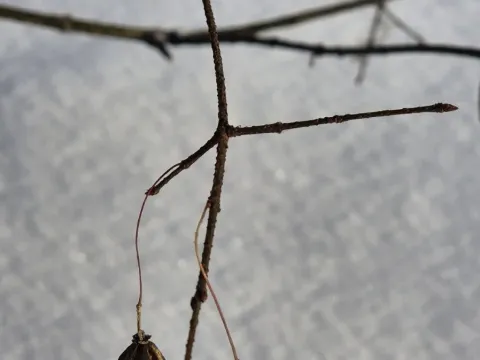
Few-flowered spindle
Euonymus pauciflorus
The few-flowered spindle (Euonymus pauciflorus) is a deciduous shrub member of the Celastraceae family. It is recognized for its unique botanical structure and serves as a valuable specimen for temperate climate gardens.
What the section contains
Few-flowered spindle
Originating from the forests of East Asia, this species has evolved to thrive in woodland environments. It is characterized by its moderate growth rate and specific branching patterns that define its structural aesthetic.
The plant thrives in nutrient-rich, loamy soils that maintain moisture without becoming waterlogged. A neutral to slightly acidic pH level is ideal for optimizing nutrient uptake by the root system.
When choosing a planting site, it is best to select an area with partial shade. While the shrub can tolerate some exposure to light, harsh afternoon sun may damage the delicate foliage during the peak of summer.
Agricultural maintenance involves regular mulching to keep the soil temperature stable. Supplemental irrigation is necessary during dry spells to prevent premature leaf drop and maintain the health of the plant.
Common pests affecting Euonymus pauciflorus include spider mites and aphids, which can colonize the underside of leaves. These pests are particularly active during dry and warm weather conditions.
Fungal infections such as powdery mildew represent a significant threat to the plant's aesthetic value. This is typically observed as a white dusty coating on the leaves and stems during high humidity periods.
Root rot caused by poor soil drainage can lead to stunted growth or even plant mortality. Implementing proper soil preparation and drainage systems is essential for successful cultivation.
Integrated pest management is highly recommended. This includes the encouragement of natural predators and the judicious application of eco-friendly horticultural soaps for early-stage infestations.
Sanitation is key to disease prevention. Removing and destroying infected plant debris helps to break the lifecycle of common pathogens and maintain a healthy growing environment.