
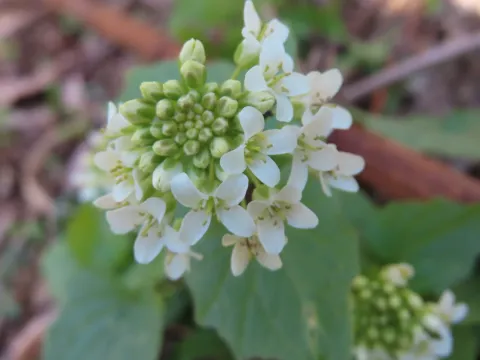
Wasabi
Eutrema R. Br.
Wasabi (Eutrema japonicum), a member of the Brassicaceae family, is a perennial plant prized globally for its spicy rhizomes used in culinary arts.
What the section contains

Wasabi
While the plant can produce seeds, large-scale commercial cultivation relies almost exclusively on vegetative propagation using young offshoots or rhizome cuttings.
The planting process usually begins in spring, taking advantage of moderate temperatures that allow young plants to establish their root systems effectively.
When propagating, growers carefully select healthy parent plants to ensure the quality and vigor of the next generation of wasabi crops.
Strategic timing is essential to align the vegetative growth cycle with seasonal water temperatures, which are critical for the long-term success of the crop.
Wasabi is widely regarded as one of the most demanding crops to grow due to its strict requirements for clean, oxygenated, and flowing water.
The plant thrives in cool temperatures ranging between 10°C and 18°C, making it highly sensitive to both heat stress and freezing conditions.
Soil quality must be exceptional; it requires well-drained, nutrient-rich substrates with a neutral to slightly acidic pH to support steady root development.
Shade management is crucial, as direct sunlight can easily scorch the leaves and significantly reduce the overall quality of the resulting rhizome.
Successful farming requires advanced infrastructure, often including specialized greenhouses or proximity to cold, natural mountain streams to maintain consistent conditions.
The cultivation cycle of wasabi is exceptionally long, typically requiring 15 to 24 months for the rhizome to reach a marketable size.
Because of this slow maturation process, wasabi is often considered a high-value specialty crop that commands premium prices in global markets.
Yield consistency depends heavily on the steady flow and temperature of the water, which prevents pathogens from accumulating around the root zone.
Professional growers monitor plant development closely to ensure that the accumulation of volatile oils, which define the product's flavor, reaches an optimal peak.
The final yield of a harvested rhizome ranges from 100 to 200 grams, with smaller parts often recycled back into the planting system for propagation.
Diseases are the primary threat to wasabi production, particularly root rot (Pythium), which can decimate entire crops under poor drainage conditions.
High humidity and stagnant water are perfect breeding grounds for various fungal pathogens that target the root system, causing rapid decline.
Pests such as aphids, slugs, and leaf-chewing insects can significantly weaken the plant's health, making integrated pest management essential for success.
Chemical intervention is often limited or discouraged, as the wasabi rhizome is highly sensitive and can easily absorb residues that affect its flavor profile.
- Root rot (Pythium)
- Fusarium wilt
- Black leg disease
- Aphids and caterpillars
- Slugs and snails
Harvesting wasabi is a delicate, manual task that requires the utmost care to avoid damaging the fragile rhizomes during extraction from the substrate.
Workers carefully dig up the mature plants, separating the primary rhizome from the smaller side-shoots used for replanting in the next season.
Immediate post-harvest processing involves cleaning the roots with cold water to remove any lingering debris, ensuring the product is ready for transport.
Because the volatile compounds responsible for the spicy flavor begin to dissipate rapidly after harvest, the product must be marketed or used as quickly as possible.
Storage facilities for harvested wasabi must maintain precise humidity and near-freezing temperatures to preserve the quality and spicy kick for the end-consumer.