
Warea carteri
Warea carteri
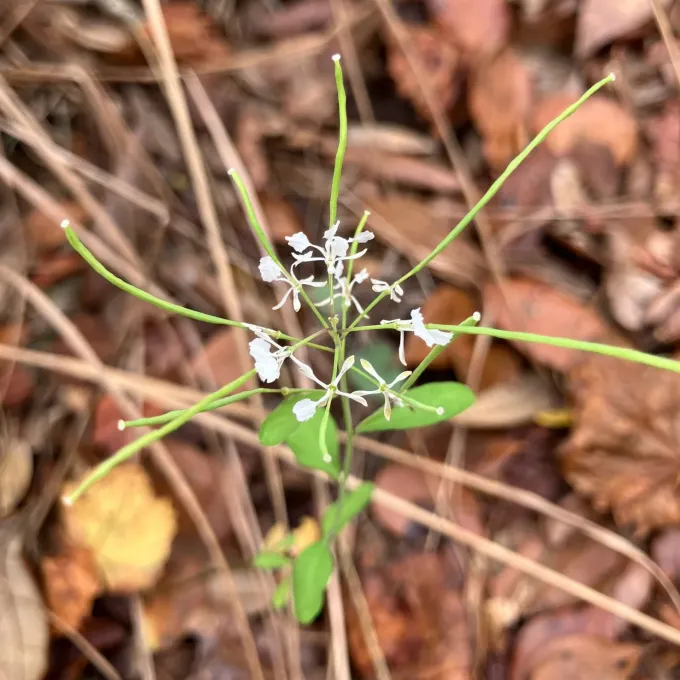
Description
Sowing dates
Warea carteri is a rare endemic species with a life cycle strictly governed by seasonal climate shifts. Seed germination primarily occurs in late spring when stable soil and air temperatures are established.
In natural conditions, reproduction occurs through seeds, where stratification within the soil layer is a prerequisite for successful germination. Cultivation requires simulating natural conditions to ensure viable sprouting.
The optimal planting depth for the seeds is no more than 0.5-1 cm, as the seeds are highly sensitive to lighting quality and substrate moisture levels during the germination phase.
Given its status as an endangered species, artificial propagation must be conducted in controlled nursery settings, which allows for precise density management and eliminates competition between seedlings.
To improve germination rates, it is necessary to provide adequate substrate aeration and prevent waterlogging, which is detrimental to the young seedlings of this species.
Growing requirements
Warea carteri is a member of the Brassicaceae family, requiring specific environmental conditions typical of well-drained sandy soils.
The crop prefers open, well-lit areas, as shading leads to stunted growth and reduced flowering intensity, which is critical for forming a high-quality seed bank.
The optimal soil type for this crop consists of sandy or sandy-loam substrates with low humus content, possessing a pH level ranging from slightly acidic to neutral.
The plant exhibits moderate resistance to drought periods; however, for full development of the vegetative mass, regular but moderate watering is required to avoid root saturation.
Microclimatic requirements include protection from strong winds and the maintenance of a stable temperature range between 20 and 28 degrees Celsius during the active growth phase.
Main diseases and pests
The primary threats to the Warea carteri population include phytopathogens that develop in high soil moisture conditions, such as root rot and fungal infections of the leaf blade.
Among the pests, the most dangerous are insects from the order Lepidoptera and certain Coleoptera species that damage flower stalks and young ovaries, significantly reducing seed yields.
The anthropogenic factor, including the destruction of natural habitats and the alteration of soil hydrological regimes, represents the main threat to the species' survival in the wild.
Invasive weed species also pose a significant threat by rapidly occupying available space and depleting the supply of accessible nutrients in the soil.
Disease prevention involves maintaining optimal planting density and adhering to sanitation standards during substrate preparation to prevent the spread of infection through the soil root ball.