
Warea sessilifolia
Warea sessilifolia
Description
Growing requirements
Warea sessilifolia is an annual herbaceous plant belonging to the Brassicaceae family. It is native to the southeastern United States, primarily found in the sandy scrub and pine flatwood habitats of Florida, where it is adapted to specific and often nutrient-poor soil environments.
The plant thrives in well-drained, sandy substrates that do not retain excess moisture. It is a heliophilic species, meaning it requires full exposure to sunlight to complete its life cycle successfully. Shaded areas significantly inhibit its growth and flowering processes.
Climatically, Warea sessilifolia requires warm, subtropical conditions. It is not frost-tolerant and prefers temperatures that facilitate rapid development during the growing season. The plant's physiology is highly specialized for arid to semi-arid environments where drainage is rapid.
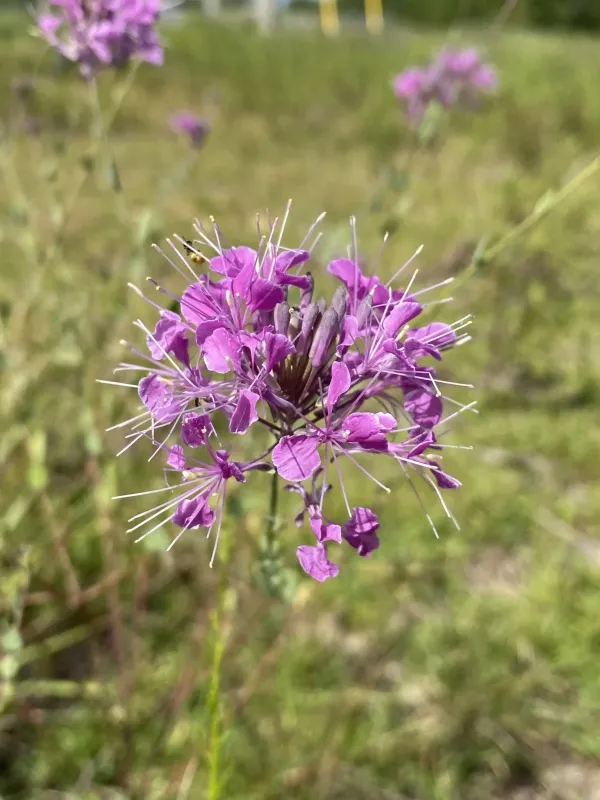
Botanically, it is distinguished by its sessile leaves, which attach directly to the stem without petioles, and its terminal racemes of flowers. After the blooming phase, the plant produces slender siliques characteristic of the mustard family, containing small seeds that allow for natural reseeding.
In terms of agricultural utility, Warea sessilifolia is currently recognized primarily as a biological resource rather than a traditional field crop. Researchers focus on its ecological role and its potential value in specialized landscapes or botanical conservation programs, noting its niche environmental requirements.