
Warea amplexifolia
Warea amplexifolia
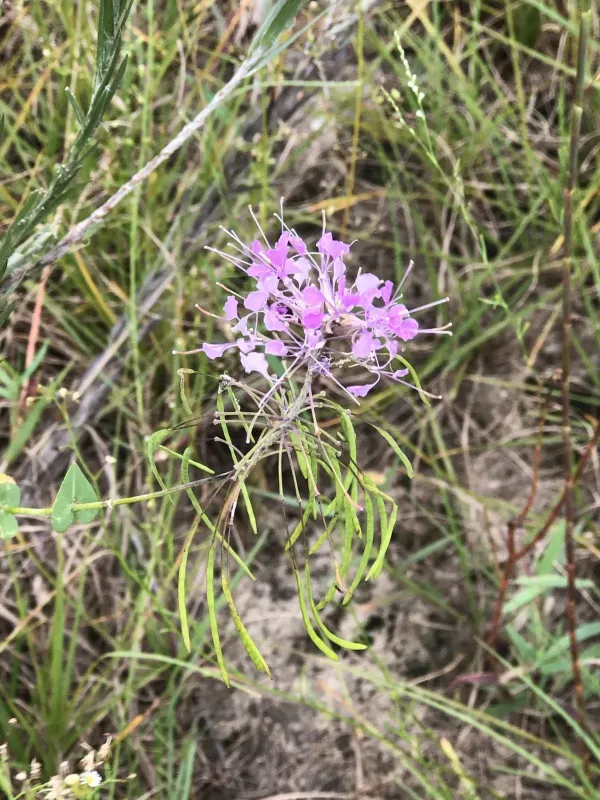
Description
Sowing dates
Warea amplexifolia is not an agricultural crop and is not cultivated for commercial production, being recognized primarily for its rarity.
The plant reproduces via seeds, which typically germinate in late winter or early spring within its native range in Florida.
Conservation efforts involve collecting seeds and sowing them in carefully monitored settings to mimic natural habitat cycles.
Seeds require shallow placement in the substrate to ensure they have enough light to trigger germination while remaining moist.
Due to the plant's delicate nature, artificial sowing is performed only in controlled botanical or restoration sites to ensure success.
Growing requirements
As a member of the Brassicaceae family, Warea amplexifolia thrives in highly specific environments known as sandhill or scrub habitats.
The soil must be exceptionally well-drained, predominantly sandy, and characterized by low nutrient availability and a neutral pH.
This species requires full solar exposure and is incapable of surviving in shaded or canopy-covered areas, making site selection crucial.
It depends on natural or prescribed fire disturbances to clear competing vegetation, which would otherwise shade out the seedlings.
The plant exhibits low tolerance for nitrogen-rich fertilizers or amendments, as it is adapted to nutrient-poor environments.
Main diseases and pests
Habitat loss due to commercial and residential development is the most significant threat to the survival of Warea amplexifolia populations.
Invasive plant species frequently outcompete this fragile species for space and sunlight, significantly reducing its geographic distribution.
The suppression of naturally occurring wildfires leads to brush encroachment, which shadows the ground and prevents the plant from flowering.
Common agricultural pests affecting the mustard family, such as crucifer beetles, can cause localized damage to foliage during growth.
Root rot pathogens become a primary threat if the soil structure is disturbed or if the moisture levels exceed the plant's natural adaptation range.