
Tortuous shieldplant
Streptanthus tortuosus
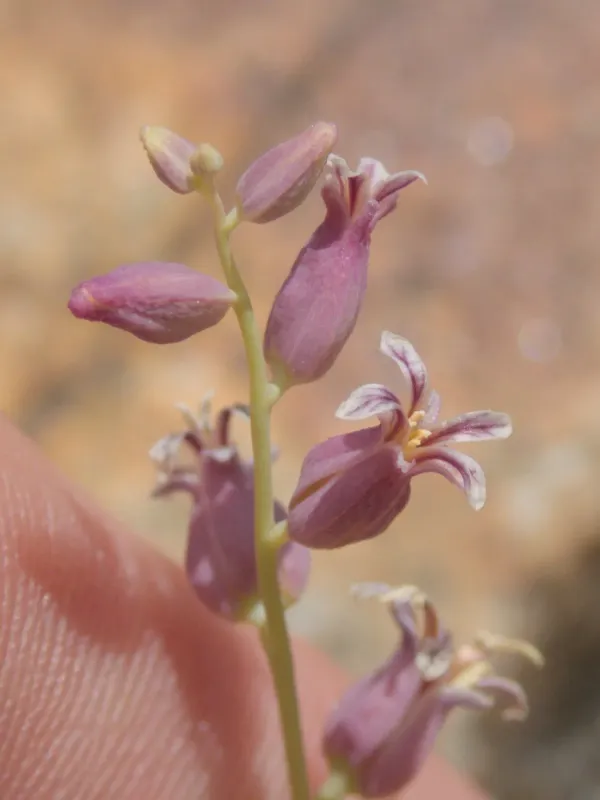
Description
Growing requirements
The tortuous shieldplant (Streptanthus tortuosus) is a unique herbaceous plant belonging to the Brassicaceae family. Native to the western regions of North America, particularly California, this species is typically found in rugged, rocky terrain and mountain slopes where it has adapted to harsh environmental conditions.
Botanically, it is recognized by its distinctively twisted seed pods and variable leaf morphology. It is a biennial or short-lived perennial that thrives in climates with distinct dry seasons, making it an excellent candidate for xeriscaping and sustainable garden projects.
The species requires a climate that provides significant solar exposure. It is highly intolerant of shaded environments, which often lead to etiolated stems and diminished flowering capacity, thereby reducing its ornamental value in domestic landscaping.
Soil requirements for this plant are centered on excellent drainage. It thrives in gravelly or sandy soils that prevent water retention near the root zone. Ensuring a neutral to slightly alkaline soil pH is often beneficial for maximizing the plant's health and development during its growth cycle.
The agricultural and horticultural use of Streptanthus tortuosus is primarily focused on native plant restoration and rock garden aesthetics. Its ability to colonize nutrient-poor substrates makes it a valued plant for naturalizing disturbed areas in Mediterranean-type climates.
Main diseases and pests
The tortuous shieldplant faces common challenges associated with the Brassicaceae family, most notably the flea beetle. These small insects can rapidly damage seedlings by creating small pits in the foliage, potentially leading to weakened plants and reduced growth rates.
Fungal pathogens such as root rot and downy mildew are significant threats in environments with high humidity or poor soil aeration. To prevent these infections, growers must ensure adequate spacing to promote airflow, which significantly reduces the humidity buildup around the foliage.
Integrated pest management strategies are recommended to maintain the health of the crop. This includes regular scouting for aphid colonies and flea beetle damage during the active growing season, followed by targeted, non-chemical interventions if necessary to maintain local pollinator safety.
Over-watering is the most common cause of morbidity in this species, as it directly encourages soil-borne pathogens. Adopting a strictly controlled watering schedule, where the soil is allowed to dry out significantly between irrigation cycles, is essential for long-term survival.
Cultural hygiene practices, such as removing debris and preventing water from splashing onto leaves, help minimize the spread of spores. Implementing these preventative measures is far more effective than attempting to cure established infections in this delicate wild-type species.