
Streptanthus lasiophyllus
Streptanthus lasiophyllus
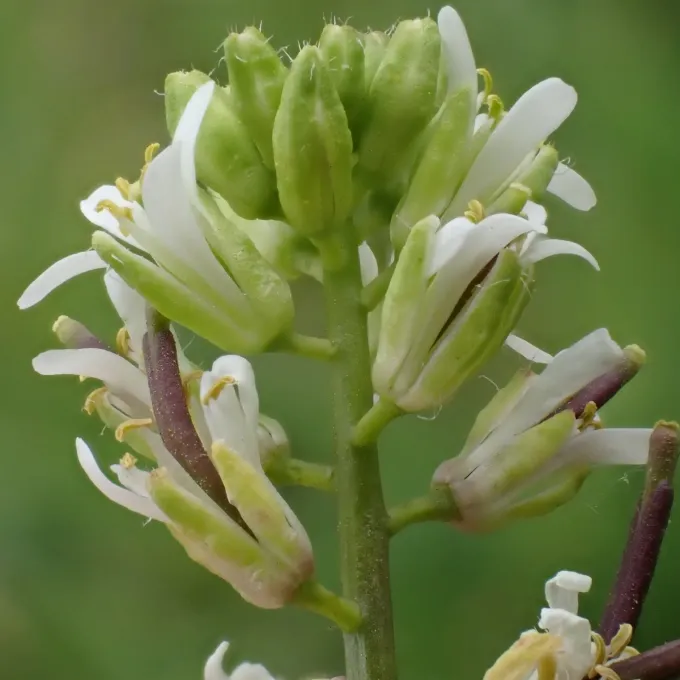
Description
Sowing dates
Streptanthus lasiophyllus is an annual plant that typically requires a cool-start spring sowing period to ensure the best vegetative development before summer heat.
Seeds should be sown at a shallow depth to encourage germination, as they respond well to stable moisture levels and adequate oxygen in the upper soil layer.
Uniform spacing is critical for this crop; growers are advised to maintain at least 20 centimeters between plants to prevent competition for nutrients.
Early sowing in trays or direct seeding can be practiced, provided the soil temperature is consistently above 10 degrees Celsius for optimal emergence.
Post-sowing care involves gentle irrigation to avoid displacing the small seeds while maintaining a consistent level of soil humidity throughout the first two weeks.
Growing requirements
This species belongs to the Brassicaceae family and thrives in well-drained soils that offer good aeration for the root system to develop properly.
Sunlight is a fundamental requirement for the healthy growth of this plant; it must be planted in full sun to prevent etiolation and stem weakness.
Soil pH levels should remain in the neutral range, as the plant is sensitive to acidic conditions that can limit the availability of vital micro-nutrients.
Water management is crucial, as Streptanthus lasiophyllus requires consistent moisture but is highly prone to root rot if the soil becomes waterlogged.
The crop responds positively to light organic fertilization during the vegetative stage, which supports the density and health of the leafy foliage.
Main diseases and pests
Common pests include flea beetles, which are notorious for damaging the foliage of plants within the Brassicaceae family during the early growth stages.
Fungal diseases like downy mildew can become a significant issue during periods of high humidity and poor air circulation around the crop canopy.
Aphid infestations can weaken the plants significantly, requiring integrated pest management strategies to keep populations under control during the season.
Crop rotation remains the most effective defense against soil-borne pathogens that tend to persist in fields where cruciferous crops are grown repeatedly.
Maintaining a healthy environment with proper plant spacing and sanitation practices significantly reduces the risk of widespread disease outbreaks in the field.