
Peltaria emarginata
Peltaria emarginata
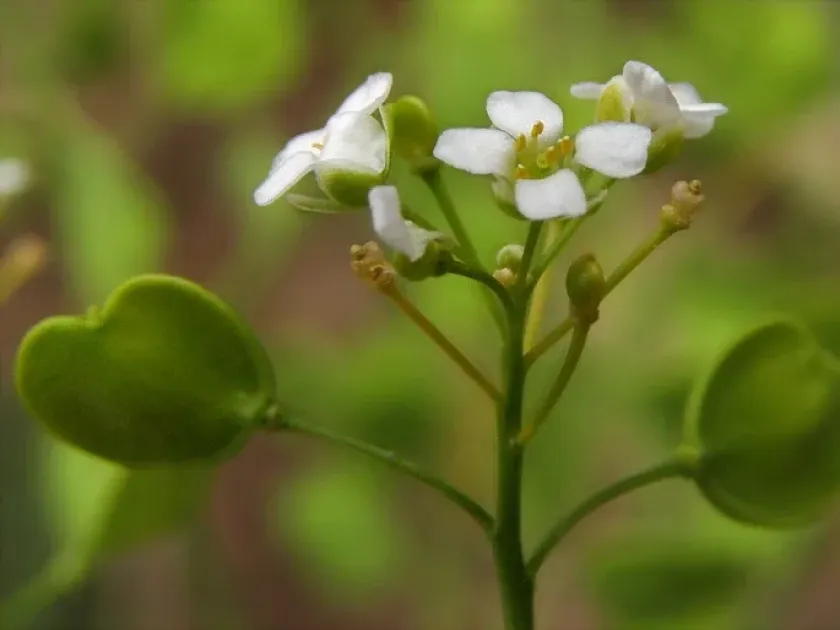
Description
Growing requirements
Peltaria emarginata is a perennial herbaceous plant belonging to the Brassicaceae family. Naturally occurring as a Balkan endemic, it thrives in rocky mountainous environments characterized by alkaline soil profiles and high solar radiation.
The crop prefers well-drained, calcareous substrates. The plant exhibits high drought resistance, a trait developed through its evolutionary adaptation to nutrient-poor mountain habitats with limited water availability.
Successful cultivation requires sites with full sunlight exposure. Excessive shade leads to etiolation of the stems and a significant decrease in the concentration of secondary metabolites, which are essential for the plant's medicinal value.
The temperature range should align with temperate continental climates. While the species is cold-hardy, it does not tolerate waterlogging in the root zone, as this often leads to root rot issues during the late winter and early spring.
The ideal soil for this crop consists of light loams or sandy loams with a neutral to slightly alkaline pH. Liming acidic soils is a mandatory agricultural practice to ensure healthy development of the taproot system.
Main diseases and pests
As a member of the Brassicaceae family, Peltaria emarginata is prone to attacks by flea beetles, which primarily damage young seedlings during the rosette leaf formation phase.
High humidity levels increase the risk of powdery mildew infections. Proactive management involves maintaining optimal plant spacing to promote airflow and keeping foliage as dry as possible.
Aphids are frequent pests that feed on sap from young inflorescences. This infestation reduces biomass and can cause significant deformation of reproductive organs, leading to lower seed yields.
Clubroot poses a potential threat when crop rotation is neglected. It is critical to avoid planting Peltaria in soil previously occupied by other cruciferous crops for at least 3 to 4 years to break the pathogen's life cycle.
Integrated pest management strategies, including mechanical removal of insects and the use of targeted biological control agents, are recommended to minimize losses during the growing season.