
Narrow-leaved peltaria
Peltaria angustifolia
Description
Growing requirements
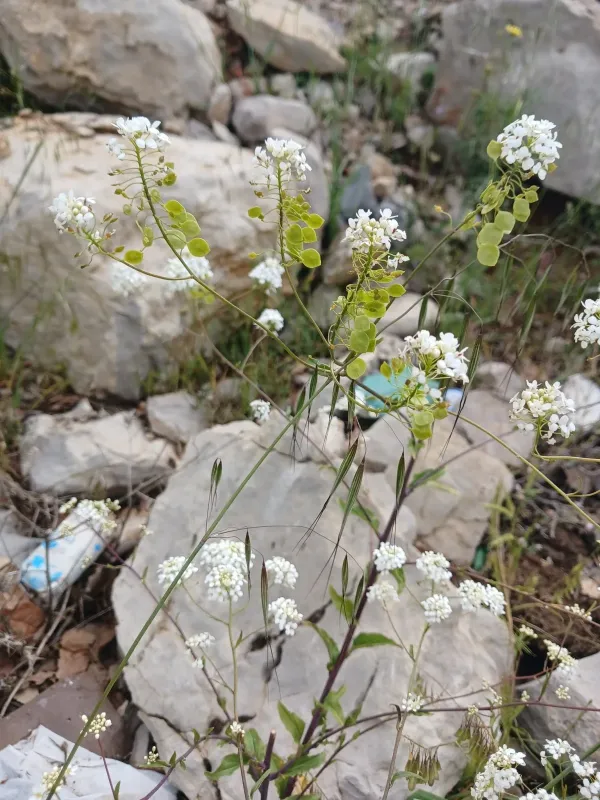
The narrow-leaved peltaria (Peltaria angustifolia) is a herbaceous perennial belonging to the Brassicaceae family. This species is native to rocky, mountainous terrains, which has endowed it with remarkable resilience to harsh environmental conditions and low nutrient availability.
The plant features a distinct rosette of slender leaves and branching stems, typically reaching heights between 20 and 40 centimeters. Its structure is specialized for surviving in high-light, low-moisture environments, utilizing a deep taproot to secure stability and water access.
Cultivation requires well-drained, lime-rich soil with a neutral to alkaline pH level. Ensuring proper drainage is paramount, as the plant is highly susceptible to root decay when exposed to waterlogged soil conditions or excessive humidity during the dormant season.
In terms of climate, the species thrives in sunny locations with high solar radiation. Exposure to direct sunlight is essential for maintaining its health and promoting robust flowering, making it unsuitable for shaded or sheltered agricultural sites with limited light penetration.
The agronomic management of this crop focuses on replicating its natural habitat requirements. Minimal fertilization is generally preferred to avoid over-stimulation of vegetative growth at the expense of root hardiness and long-term vitality of the plant population.
Main diseases and pests
The narrow-leaved peltaria faces threats from common diseases that affect the Brassicaceae family, particularly fungal pathogens that thrive in damp conditions. Root rots and mildew are the most frequent issues, often exacerbated by poor air circulation around the plants.
Pests such as flea beetles represent a significant challenge, especially in the early stages of plant development. These insects can skeletonize the leaves, severely hindering the plant's ability to undergo photosynthesis and inhibiting its growth potential.
Aphid infestations are also a noted concern, as they concentrate on young stems and inflorescences. They not only cause physical damage by feeding on plant sap but may also act as vectors for various diseases that affect overall yield and plant vigor.
Gastropods, including snails and slugs, are prevalent threats in environments with higher precipitation levels. These pests can rapidly destroy foliage if not managed through mechanical barriers or targeted cultural practices that discourage their presence near the crop.
Integrated pest management is recommended to mitigate these risks effectively. This includes monitoring for early signs of infestation, ensuring optimal plant spacing to promote airflow, and utilizing environmentally friendly pest deterrents to maintain the ecological balance of the field.