
Peltaria alliacea
Peltaria alliacea
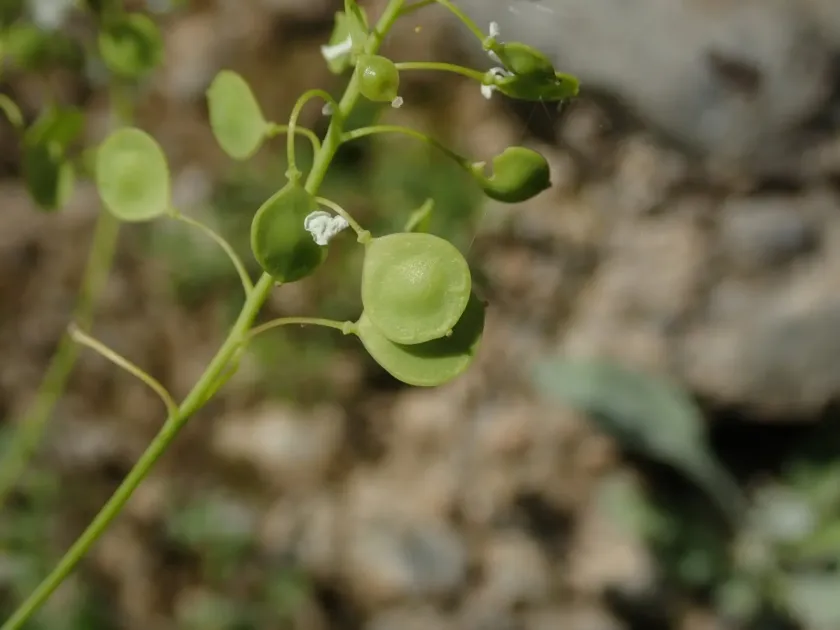
Description
Sowing dates
Peltaria alliacea, a member of the Brassicaceae family, is a perennial plant known for its garlic-like fragrance. Successful establishment typically requires sowing seeds in autumn to allow for natural cold stratification during the winter months.
For spring sowing, seeds should be planted as soon as the soil is workable, typically in temperatures around 10 degrees Celsius. Surface sowing followed by a light covering of soil ensures optimal conditions for germination.
Indoor seed starting in late winter allows for earlier plant development. Seedlings should be hardened off before being transplanted into the field at a spacing of approximately 30-40 cm to ensure adequate growth room.
Vegetative propagation via root division is a highly effective method for expanding existing patches. This is best done in the early spring or late autumn when the plant is not in its active growth phase.
Self-seeding can occur in suitable habitats, so proper management of flower stalks is necessary if the objective is strictly foliage production rather than botanical seed collection.
Growing requirements
Peltaria alliacea thrives in sunny locations, as direct sunlight is essential for the development of the essential oils that provide its signature garlic-like aroma and flavor profiles.
Well-drained, sandy or loamy soils with neutral pH levels are ideal for this crop. It is highly intolerant of waterlogged conditions, which often lead to root rot during the dormant winter period.
The plant demonstrates excellent hardiness and can survive cold winters without specialized protection. This makes it a low-maintenance choice for perennial gardens and small-scale farms in temperate climates.
Soil structure should be kept loose and well-aerated through regular hoeing. While it is not overly demanding of nutrients, an annual application of compost helps maintain vigorous growth.
Avoiding overly shaded spots is crucial, as the plant tends to become spindly and loses its culinary appeal when deprived of sufficient light intensity.
Yield
The main harvest consists of young, tender leaves that are highly valued for their distinct garlic scent. These leaves can be used in salads, sauces, and as a substitute for garlic in various culinary dishes.
With proper care, Peltaria alliacea can provide multiple harvests throughout the growing season. Regular nitrogen-based fertilization after cutting promotes rapid leaf regrowth, increasing total yield.
Annual yield is generally high for a perennial leafy herb, though productivity can fluctuate based on the age of the plants and environmental conditions throughout the growing cycle.
For commercial use, consistency in irrigation and light management is key to maintaining high-quality foliage that meets market demands for fresh, aromatic produce.
After reaching peak maturity, a planting can remain productive for several years, though renewal every 5 years is recommended to prevent productivity decline.
Main diseases and pests
Flea beetles are the most common pests affecting Peltaria alliacea, particularly in young plants. They create characteristic "shot holes" in the foliage, reducing both yield and market value.
Clubroot, common in the Brassicaceae family, can pose a risk if the plant is grown in overly acidic soils with poor drainage. Proper lime application and crop rotation are essential preventive measures.
Downy mildew may occur in damp, poorly ventilated conditions. Ensuring adequate plant spacing and sunlight exposure usually keeps this disease under control without needing chemical interventions.
Biological pest management is preferred to maintain the food safety of the harvested leaves. Integrated pest management strategies are recommended to minimize potential damage.
Crop rotation is critical; avoid planting Peltaria in soil that has recently hosted other Brassicaceae crops to prevent the buildup of soil-borne pathogens and common pests.
Harvesting
Harvesting should occur before the plant enters the bolting phase. Once the plant begins to produce flower stalks, the leaves become tougher, more fibrous, and less palatable.
Leaves are typically harvested by hand or using sharp tools to trim the foliage. It is best to collect leaves in the morning when the plant's moisture content is highest for better storage.
For long-term storage, leaves can be air-dried in a dark, well-ventilated area or frozen. Frozen leaves retain their characteristic aromatic compounds better than their dried counterparts.
If seeds are desired, allow a few of the most robust plants to fully bloom and set pods. Seeds should be collected once pods turn brown to ensure maturity.
Post-harvest care includes removing debris from the base of the plant to prevent disease buildup and ensuring the soil surface is clear for the plant's winter dormancy period.