
Lunaria rediviva
Lunaria annua L.
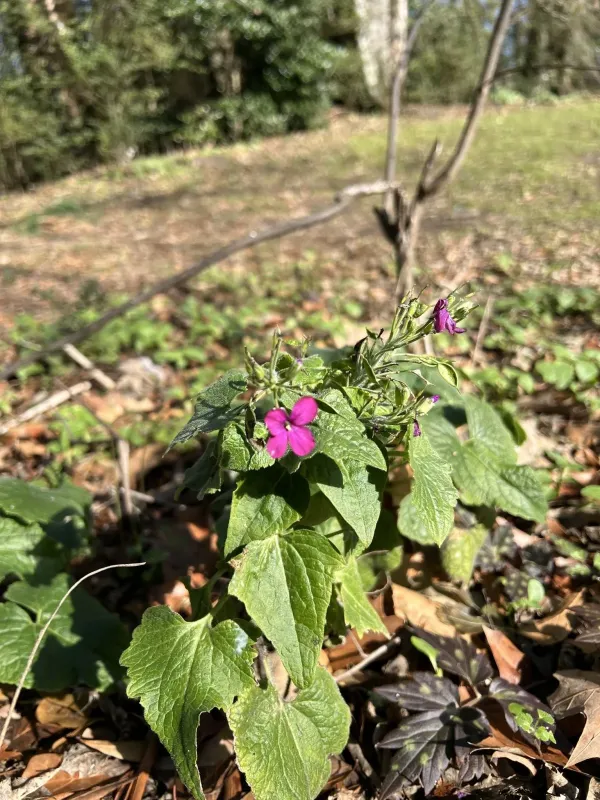
Description
Sowing dates
Lunaria rediviva, commonly known as perennial honesty, is a hardy herbaceous plant belonging to the Brassicaceae family. Unlike its biennial counterpart, this species establishes long-term perennial root systems.
Sowing should ideally occur in the autumn, allowing seeds to experience natural winter dormancy, which improves germination rates. Spring sowing requires pre-chilling seeds for several weeks to break seed dormancy.
Seeds are typically sown at a depth of 1 to 2 centimeters in well-draining, nutrient-rich soil. Proper spacing is essential, with 35–40 centimeters between plants to allow for healthy development of the basal foliage.
During the first growing season, the plant focuses on establishing a basal rosette of leaves. The iconic flowering stems are usually produced in the second year and every year thereafter.
Moisture levels must be monitored carefully after sowing, as the seeds need consistent humidity to germinate effectively, although waterlogging must be strictly avoided.
Growing requirements
Perennial honesty thrives in shaded or semi-shaded environments, mimicking its natural habitat in deciduous forests. High direct sun exposure can scorch the leaves and significantly reduce the lifespan of the plant.
The ideal soil is fertile, loose, and rich in organic matter. A neutral to slightly alkaline pH is preferred, and the soil must be well-drained to prevent root rot, which is a common issue in heavier clay soils.
High air humidity is beneficial for this plant. In agricultural settings, selecting a site sheltered from harsh, drying winds will promote more vigorous growth and more attractive foliage.
Maintenance includes weeding around the base of the plant during the early stages of growth. Applying a balanced fertilizer in the early spring can help boost plant energy before the peak flowering period.
The plant is highly frost-tolerant and generally requires no winter protection. It is a robust perennial that can remain productive in the same location for several years if provided with optimal conditions.
Yield
The primary economic use of Lunaria rediviva is in the horticultural sector. It is prized for its fragrant purple flowers and the unique, silvery, papery seed pods that persist well into the winter.
These seed pods are a staple in dried floral arrangements. The decorative value lies in the translucent central membrane of the pods, which remains intact after the outer valves fall away.
Commercial plantations focus on the production of long-stemmed flowers and seed-bearing stalks. A well-tended colony can produce consistent yields for 5 to 7 years before requiring division.
The plant is also valued in landscape design for its ability to brighten up shady areas where other colorful perennials might struggle. It is often used in naturalistic garden themes.
Propagation through seeds is highly efficient, and the plant often self-seeds, making it a sustainable choice for large-scale landscaping projects that require low-maintenance perennial cover.
Main diseases and pests
Like many members of the Brassicaceae family, the plant can be susceptible to flea beetles. These insects feed on the leaves, especially during the early growth stages, requiring timely inspection and management.
Aphids can be problematic during the blooming season, gathering on the buds and stems to sap nutrients. Early intervention with insecticidal soaps can prevent damage to the flower quality.
Powdery mildew is a common fungal disease that affects the leaves, especially when plant density is too high or airflow is restricted. Proper spacing is the best preventative measure against this pathogen.
Slugs and snails often feed on the young foliage during spring, which can be devastating for seedlings. Protective barriers such as copper tape or organic baits can be used to mitigate this risk.
Clubroot, a soil-borne disease affecting crucifers, can impact the roots. Maintaining proper crop rotation and avoiding overly acidic soil conditions are essential steps in protecting the health of the plant.