
Lobularia maritima and Lobularia canariensis hybrids
Hybrids between Lobularia maritima and Lobularia canariensis
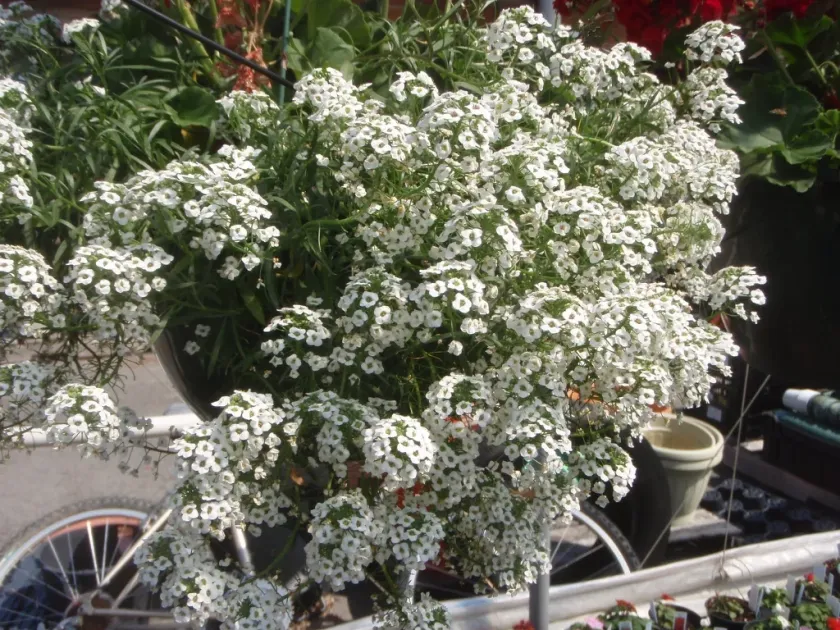
Description
Sowing dates
Sowing of lobularia hybrids is primarily conducted in the spring after the risk of late frosts has passed, as the young plants are sensitive to cold snaps.
For early flowering, seeds should be started indoors in greenhouses or cold frames 6–8 weeks before the intended transplanting date, ensuring surface sowing with minimal covering.
Direct outdoor sowing requires maintaining consistent soil moisture, as the fine seeds need intimate contact with the soil to germinate successfully within 7 to 10 days.
The optimal germination temperature for these hybrids is between +18 and +20 degrees Celsius, which ensures uniform sprout emergence and vigorous initial growth.
Planting density should be kept at 20–30 cm between specimens to promote adequate airflow, which is essential to prevent fungal issues in dense flower beds.
Growing requirements
These hybrids belong to the Brassicaceae family and are highly valued for their superior heat tolerance and ability to maintain continuous flowering throughout the season.
The plants thrive in full sun locations with light, well-draining soil; waterlogged conditions must be avoided as they often lead to root rot and poor plant performance.
A neutral to slightly alkaline soil pH is preferred; acidic soils can hinder development, necessitating the application of lime during pre-planting soil preparation.
While seedlings require regular hydration, mature lobularia hybrids exhibit notable drought tolerance and perform well even during drier periods of the summer.
Regular deadheading and light shearing after the first major flush of flowers are recommended to encourage secondary growth and extend the overall blooming window.
Main diseases and pests
Powdery mildew represents the primary threat to lobularia hybrids, appearing as a white fungal growth on foliage during periods of high humidity and poor ventilation.
Root rot caused by Pythium species is common when the soil remains too wet for extended periods, highlighting the importance of choosing a proper planting site with drainage.
Crucifer flea beetles are the most problematic pests, causing small "shot-hole" damage to leaves which can severely weaken young plants if left unmanaged.
Aphids can also colonize the flowers, sucking sap and potentially spreading viral infections, which requires proactive monitoring during the vegetative stage.
Integrated pest management strategies, including the use of targeted fungicides and systemic insecticides, are recommended while keeping pollinator safety in mind.
Harvesting
As these are primarily used for ornamental landscaping, there is no commercial harvest, but maintaining plant health through seasonal cleanup remains vital.
Because these hybrids are often F1 varieties, harvesting seeds is discouraged as the progeny will not retain the uniform, desirable characteristics of the parent plants.
At the end of the season, all plant debris must be removed and cleared from the flower beds to prevent the survival of soil-borne pathogens over the winter.
For container-grown specimens, the substrate should be discarded and pots thoroughly sanitized before reuse to ensure the next season begins with healthy material.
Proper late-season maintenance ensures that the landscape remains tidy and provides a clean slate for the following spring planting cycle.